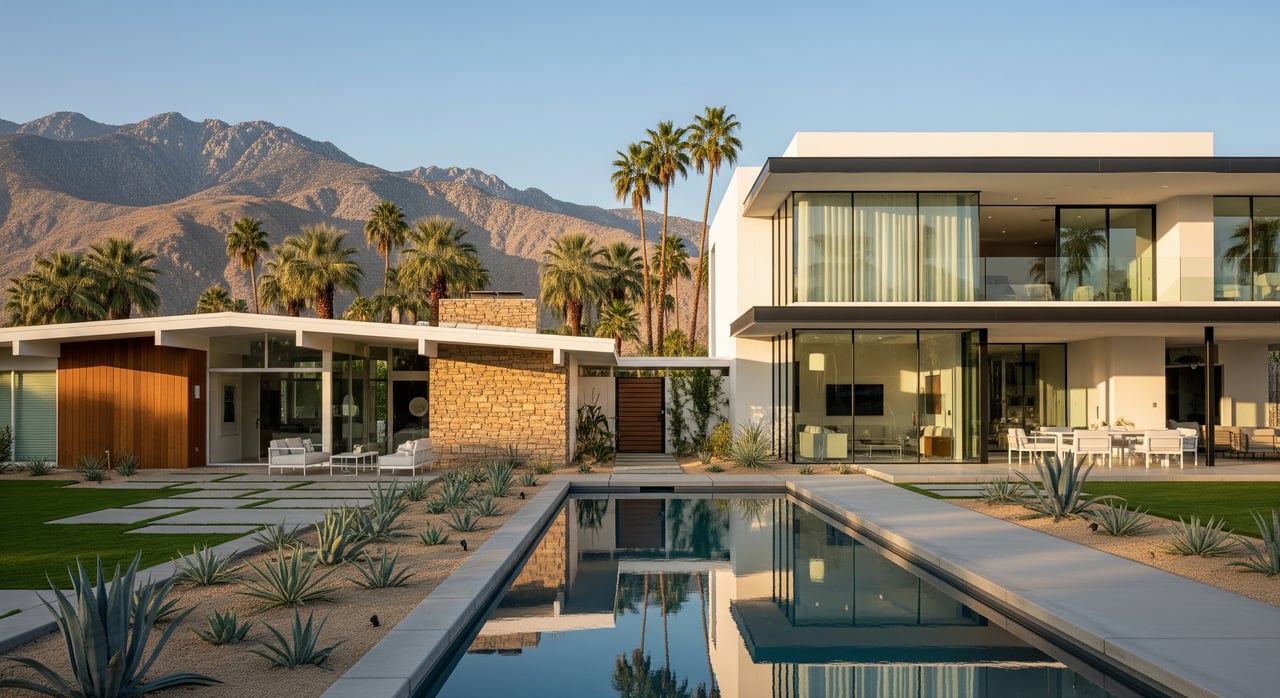
Love the clean lines of a classic post-and-beam, but tempted by the comfort of brand-new systems and warranties? In Palm Springs, that choice is not just about style. It affects maintenance, energy costs, permits, and resale. In this guide, you’ll learn the real pros and cons of mid-century versus new-build homes here, plus practical steps to buy with confidence. Let’s dive in.
Why Palm Springs style matters
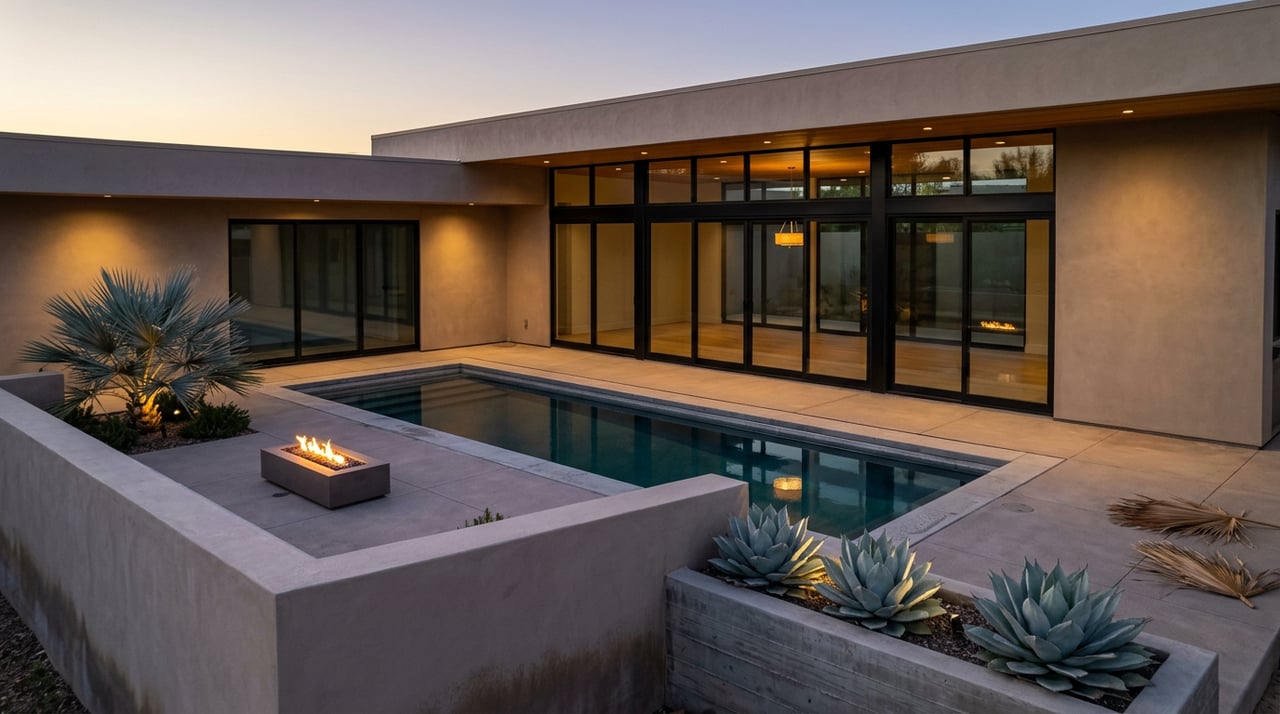
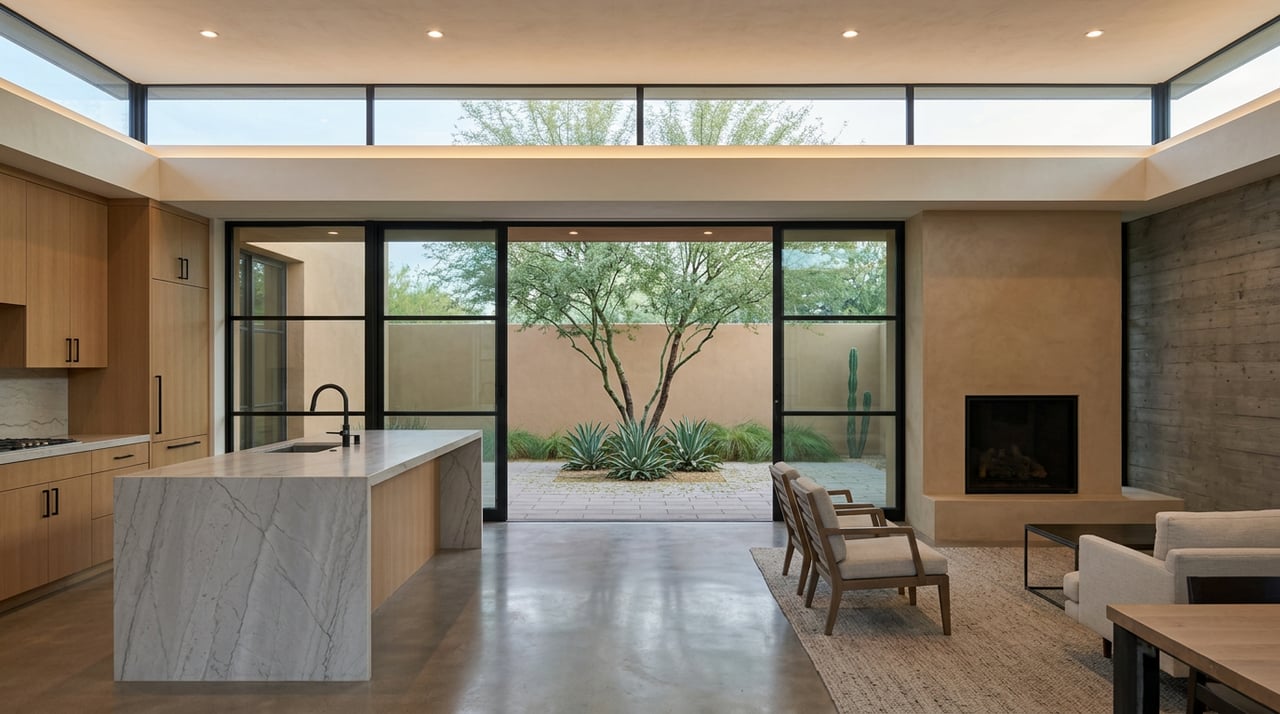
Palm Springs is known worldwide for mid-century modern architecture. That identity drives strong demand for authentic or well-restored homes. Buyers come for open plans, glass walls, indoor and outdoor flow, and minimalist lines. Design-savvy shoppers often pay a premium for homes that preserve these features.
New construction exists, but you’ll see fewer brand-new single-family homes in central neighborhoods. Land is limited and lots are fragmented, so most new builds happen as infill or on the edges of established areas. This context shapes price, availability, and long-term appeal.
Mid-century: what you get
Mid-century homes offer character that is hard to replicate. The look, proportions, and light feel unique to the desert. Many also have strong visibility on resale when the architecture is preserved.
- Pros: architectural authenticity, emotional appeal, and niche buyer demand.
- Cons: older systems and materials can raise renovation costs, and original glazing or insulation often needs upgrades for comfort.
Key takeaway: You gain iconic style and potential resale upside, but you will likely budget for sensitive updates.
New build: what you get
New builds focus on modern living. You often get open kitchens, en-suite bedrooms, higher insulation, and integrated energy features. They are built to current California Building Code and Title 24 energy standards, which means better baseline comfort and efficiency.
- Pros: contemporary layouts, lower immediate maintenance, and code-level energy performance.
- Cons: may not capture the mid-century aesthetic that draws many buyers to Palm Springs, and some infill sites come with permitting complexity.
Key takeaway: You gain convenience and efficiency, though the look may feel less iconic depending on the design.
Cost and maintenance realities
Older properties can carry higher near-term costs. New builds shift costs later in the life cycle.
Mid-century focus areas:
- Flat or low-slope roofs need proactive care. Membrane wear, ponding, and flashing are common issues.
- Single-pane or older glazing often raises cooling loads.
- Electrical and plumbing may be outdated. Panels, GFCI/AFCI, and galvanized or cast-iron piping deserve attention.
- Systems may include legacy HVAC and ducts that need evaluation.
- Some materials may include asbestos or lead in older finishes if you plan to renovate.
New build focus areas:
- Systems meet current code, including seismic and energy standards.
- Quality depends on the builder. Warranties and materials vary, especially on smaller custom projects.
- Immediate repairs tend to be limited, but confirm coverage for workmanship and structure.
Energy and summer comfort
Desert summers put every home to the test.
- Mid-century: The original design favors glass and openness. Unless upgraded, insulation and shading can be limited. Thoughtful retrofits help, such as improved roof insulation, low-E or thermally broken glazing, shade structures, and modern HVAC. Solar integration is a common add-on.
- New build: Title 24 standards support efficient windows, higher insulation, duct quality, LED lighting, and often solar readiness or panels. This typically lowers near-term energy and maintenance costs.
Pools and water use
Pools are common in Palm Springs and can drive costs.
- Mid-century: Pools and decks may be original. You may need resurfacing, updated pumps, and safety compliance. Original landscaping can be water intensive, which adds cost and may conflict with drought policies. Converting to xeriscape often makes sense.
- New build: New pools and irrigation usually align with current standards. Many builders plan for water-efficient landscaping, though choices vary. Local drought rules still influence what you can plant and how you irrigate.
Permits and historic rules
Historic status can protect architectural character and provide incentives, yet it may limit exterior changes.
- Mid-century: Before major work, check if the property is on or eligible for a historic register and whether design review applies. Renovations usually must meet current codes, which can trigger required upgrades.
- New build: Full permitting, plans, and inspections are required. Lots may involve grading or stormwater considerations, and infill can raise design or neighborhood context reviews.
If you are evaluating a rental strategy, confirm the City of Palm Springs short-term rental program rules, permit availability, and any neighborhood restrictions before you buy.
Financing, appraisal, and insurance
- Financing: Conventional loans work for both. Appraisals for highly unique or restored mid-century homes can be challenging if there are few comparable sales, so plan for appraisal strategy.
- Renovation loans: Programs like FHA 203(k) or HomeStyle can fund updates on mid-century homes. Lender familiarity with vintage-specific issues varies.
- Insurance: Premiums depend on condition, systems, pool, and replacement cost. Mid-century uniqueness can affect replacement estimates. Review earthquake coverage separately and verify flood risk by location.
Resale and marketability
- Mid-century: Well-preserved or sensitively upgraded examples often sell well to a motivated buyer segment. Alterations that strip character can hurt value.
- New build: Strong appeal for buyers who want turnkey comfort, energy efficiency, and modern finishes. Resale depends on neighborhood context and execution quality.
Who each option fits
Mid-century is a fit if you:
- Value authentic architecture and design history.
- Are comfortable planning upgrades for comfort, energy, and maintenance.
- Want potential visibility and premium on resale with sensitive restoration.
New build is a fit if you:
- Prefer low-maintenance living and modern layouts.
- Want code-level energy performance from day one.
- Value warranties and predictable ownership costs in the near term.
Due diligence for mid-century buyers
Use inspectors who understand vintage construction. Ask for documentation and permits with any past work.
- Order a comprehensive home inspection by a mid-century experienced team.
- Add specialist reviews:
- Roof inspection focused on membrane condition, flashing, and drainage.
- Window and glazing assessment for frame condition and efficiency options.
- HVAC evaluation for capacity, duct integrity, and replacement history.
- Electrical review for panel capacity and modern safety protections.
- Plumbing scope to identify obsolete piping.
- Pool inspection for structure, resurfacing, equipment, and safety compliance.
- Hazardous materials survey if you plan to renovate.
- Termite and pest inspection.
- Confirm historic status and design review requirements.
- Verify permits for previous renovations and collect maintenance records and architectural plans.
Due diligence for new-build buyers
Builder quality and warranty are central. Confirm what is covered and for how long.
- Verify builder licensing, track record, and references in desert conditions.
- Review structural and workmanship warranty terms.
- Confirm energy features and Title 24 compliance documents.
- Check solar readiness or installation details.
- Review landscape and irrigation plans for water efficiency and local rules.
- Understand timeline, change orders, and escrow protections for deposits.
Seller prep that pays off
- Mid-century sellers: Gather restoration documentation, design approvals, and permits before listing. Buyers value proof of sensitive upgrades.
- New-build sellers: Assemble warranties, final permit sign-offs, and HOA documents if applicable.
- For both: Consider pre-listing inspections for roof, pool, and pest to reduce surprises.
Smart next steps
- Align on your priorities: authenticity versus turnkey comfort, energy savings, renovation appetite, and rental plans.
- Price the big items before you write an offer: roof, windows, HVAC, pool, and any required code upgrades.
- Confirm local rules: short-term rental requirements, historic review, and water ordinances.
- Work with a local team that understands both vintage and new-build dynamics in Palm Springs.
If you want tailored guidance, confidential comps, and introductions to trusted inspectors and builders, reach out to the Mark Wise Group. We provide senior-led, concierge representation for Coachella Valley buyers and sellers who value discretion and results.
FAQs
Are mid-century homes harder to maintain in Palm Springs?
- They can be if roofs, HVAC, plumbing, or glazing are original, though thoughtful upgrades often balance costs while preserving character.
What makes new builds more energy efficient here?
- New construction follows current California energy standards, with better insulation, efficient windows, quality ducts, LED lighting, and often solar readiness.
Do historic rules limit mid-century renovations in Palm Springs?
- Properties with historic recognition may require design review for exterior changes, so plan projects and timelines around local preservation guidelines.
How do pools and water rules affect costs?
- Older pools may need resurfacing and equipment updates, and local drought policies favor water-efficient landscaping that can add upfront conversion costs.
Is financing or appraisal tougher for iconic mid-century homes?
- It can be if comparable sales are scarce, so appraisal strategy matters; renovation loans are an option when updates are part of your plan.
Are flat or low-slope roofs a dealbreaker?
- Not necessarily, but they need proactive maintenance; membrane wear and drainage issues are common, so a roof inspection is essential.