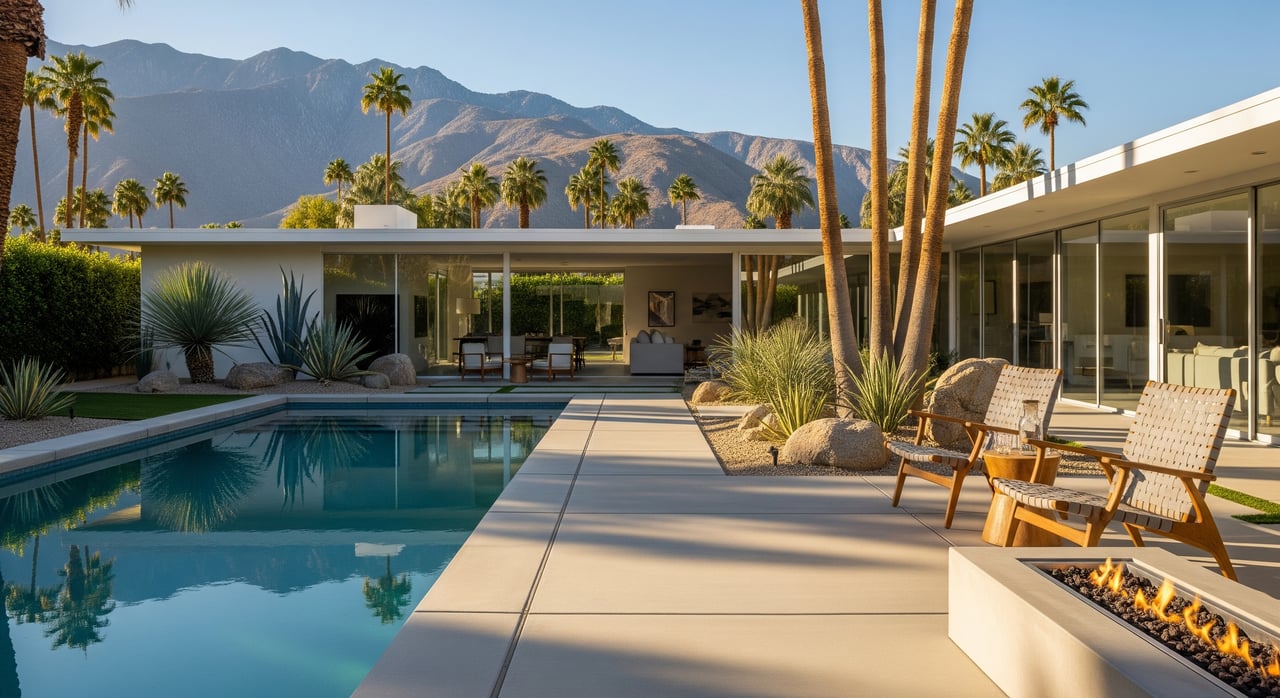
Is Palm Springs calling your name when the temperatures drop back home? If you split your year between the West Coast or Canada and the desert, you want a plan that fits the season, your lifestyle, and your budget. You also want clear guidance on neighborhoods, travel, and the rules that shape day-to-day life in a seasonal home. In this guide, you will learn how the Palm Springs rhythm works, what costs to expect, which home types fit seasonal living, and how to make arrivals and departures simple. Let’s dive in.
Why Palm Springs works seasonally
Palm Springs was built for seasonal living. Winter days often sit in the 60s and 70s Fahrenheit with cool nights, so you can golf, hike, or relax by the pool in comfort. The city’s cultural calendar comes alive from late fall through spring, and the airport makes quick trips in and out easy. Many seasonal owners plan their stays from November to April, then return home or travel during the summer.
Weather and seasonal rhythm
Palm Springs has three practical seasons for snowbirds.
- High season: Late October or November through April. Outdoor living is comfortable. Clubs, classes, and community activities are in full swing.
- Shoulder months: October and May. Warming days with fewer crowds. Good months for project work or quieter visits.
- Low season: June through September. Daytime highs frequently exceed 100°F. Outdoor activity shifts to early mornings and evenings, and you rely on air conditioning.
UV exposure is high year-round, so routine sun protection helps. Expect occasional windy days that can bring dust. Regional wildfire smoke can affect air quality at times.
Event season highlights
Winter and early spring bring a steady flow of marquee events. January typically features the Palm Springs International Film Festival. February is known for Modernism Week. March brings Indian Wells tennis. April sees Coachella and Stagecoach in nearby Indio. Weekly street fairs and cultural programming make downtown lively throughout high season. These dates can increase traffic and short-term visitor demand, which may affect rental rates and availability.
Budget the ongoing costs
Seasonal ownership has predictable categories. Your exact amounts depend on property type, size, and usage, but the mix is consistent.
- Property taxes: Riverside County properties are generally assessed under Proposition 13. A typical base is about 1 percent of assessed value plus local assessments and bonds. Supplementary assessments can apply after a purchase or reassessment.
- Electricity: Air conditioning is the largest summer expense. Many homes use Southern California Edison time-of-use plans. Solar systems are common to offset peak loads.
- Water and landscaping: Desert landscaping lowers water use. Automated irrigation with remote control is a popular choice for part-time owners.
- Internet and security: Confirm broadband speed and coverage that support streaming and remote work. Add cameras and monitored alarms if the home will sit empty.
- Insurance: Premiums vary by coverage, home type, and location. Consider risks like wind, flash flooding in certain areas, and vacancy periods. Canadian owners should carry travel and health coverage that works in the United States.
- HOA fees: Condo and planned developments often include exterior maintenance, pools, and trash. Higher fees usually mean lower personal upkeep, so confirm what is included.
- Property services: Most owners budget for pool care, irrigation checks, HVAC maintenance, pest control, and seasonal deep cleaning.
Choose the right home type
Match your lifestyle to the home you buy.
- Condominiums and townhomes: Lower maintenance and common-area amenities. Often near downtown or resort corridors. Good for quick lock-and-leave living.
- Gated or resort communities: Added access control and on-site amenities like fitness or concierge-style services. Works well for seasonal visits and turnkey ease.
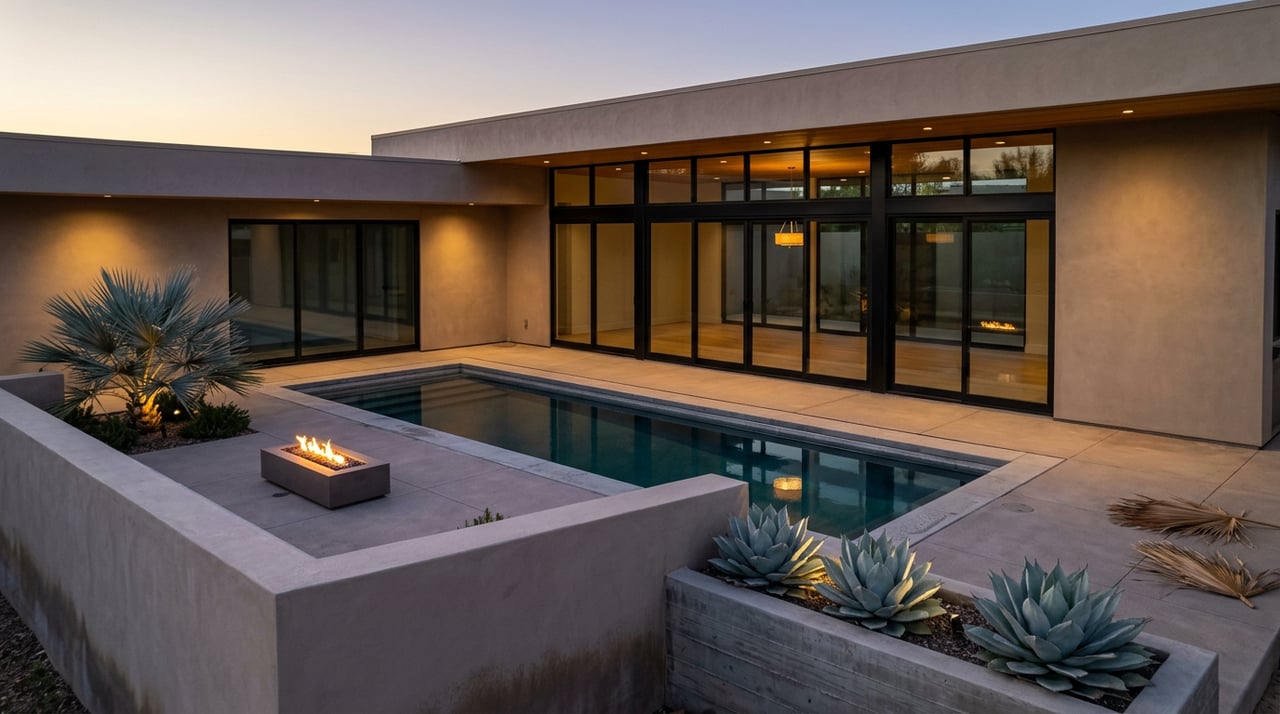
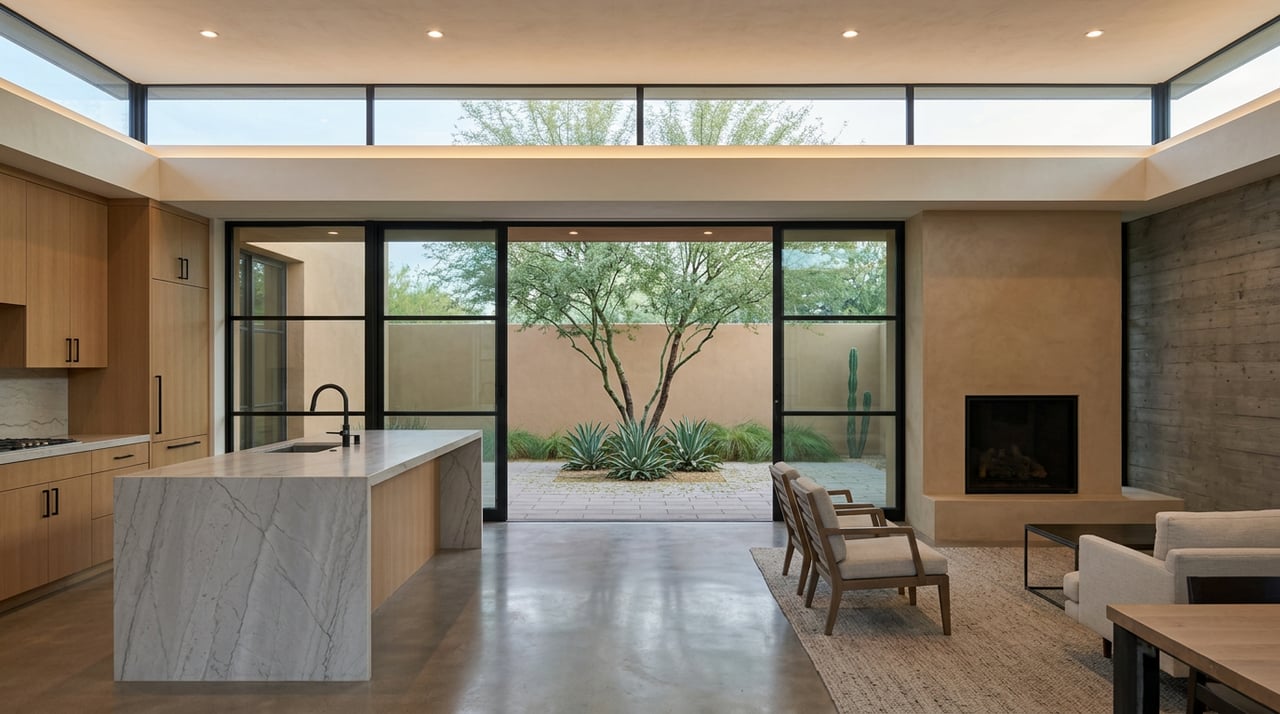
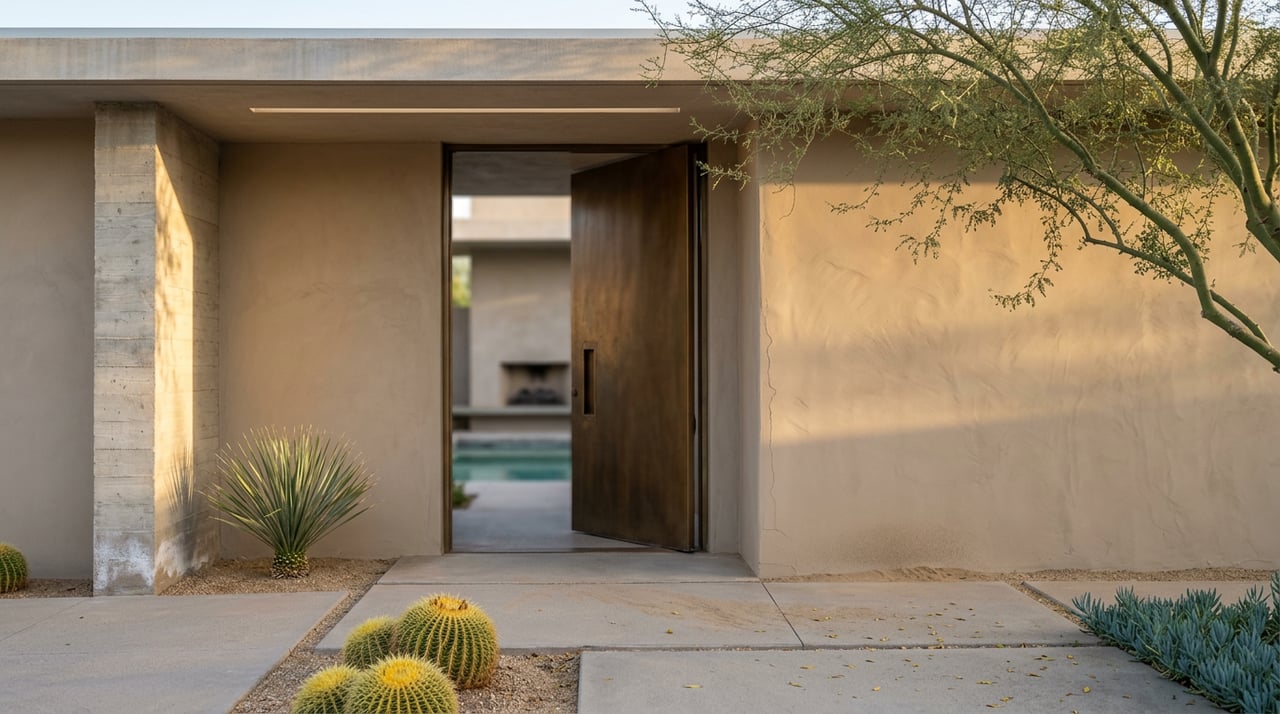
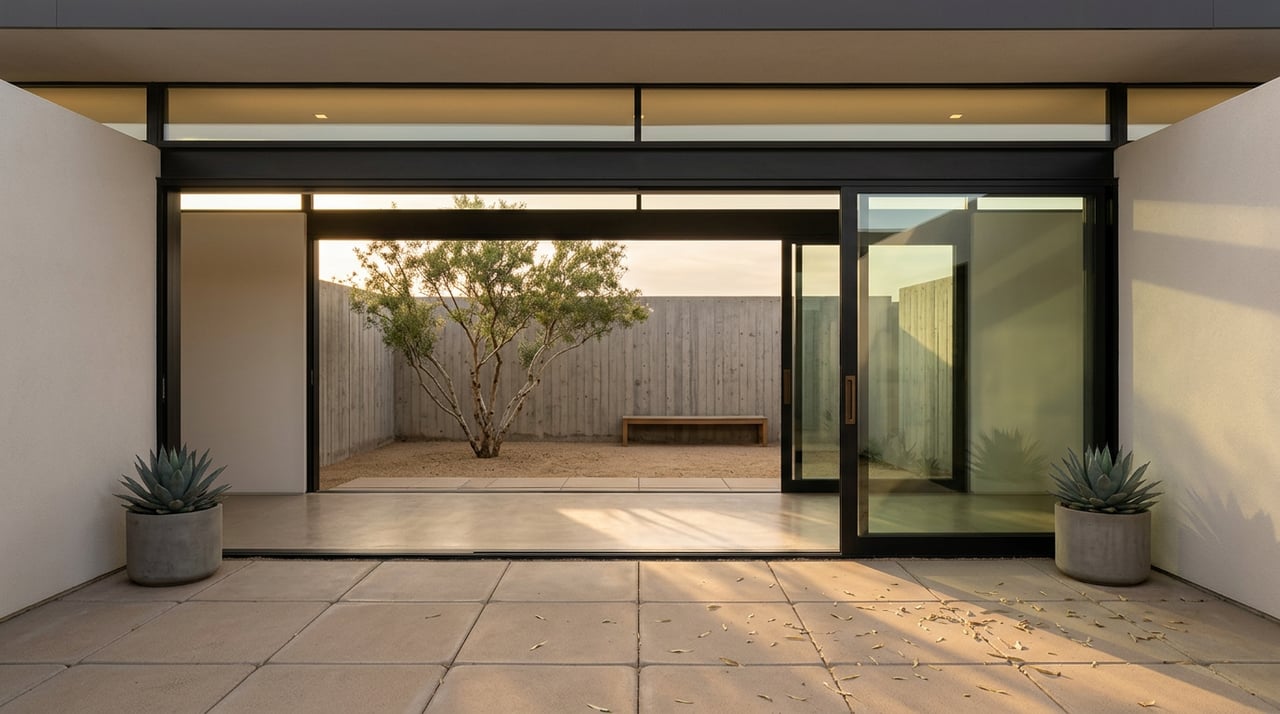
- Mid-century single-family homes: Iconic architecture and private yards or pools. Expect more hands-on maintenance and vendor coordination.
- Active adult options: Some 55-plus communities with robust programming are more common in nearby cities within the valley. If you want that environment, consider proximity to Palm Springs when comparing options.
Palm Springs neighborhood fit
Think about how you will use the home most weeks of the season.
- Downtown proximity: Walkable access to restaurants, shops, and weekly events. Condos and smaller lots are common near the core.
- Mid-century enclaves: Areas known for architecture and residential character attract buyers who value design and privacy.
- Golf and recreation: Neighborhoods near courses and trailheads offer quick access to morning tee times and hikes.
- Airport access: East and northeast locations can shorten arrival and departure time.
Closer-in areas trade lot size for convenience. Outlying spots can offer larger lots and quieter streets, with more driving for daily needs. Align the tradeoff with your routine.
Travel and access tips
Palm Springs International Airport is the closest and most convenient option for many West Coast and Pacific Northwest flyers. Seasonal service increases in winter. If you want more flight choices or lower fares, Ontario, Los Angeles, and San Diego airports are common alternatives with drives that vary by traffic. Many seasonal owners keep a car locally for errands and appointments. Rideshare and taxis operate in the city, though late-night or off-season availability can be thinner.
Traffic spikes around large festivals, especially Coachella weekends. Plan airport runs and grocery trips with event schedules in mind.
Renting when you are away
Many seasonal owners offset costs by renting their properties for part of the year. In Palm Springs, short-term rentals are regulated. You must follow city rules that cover permits, licensing, occupancy limits, and transient occupancy tax. Enforcement has increased, and homeowners associations may restrict or prohibit short stays. If rental income is central to your plan, confirm city rules and HOA covenants before you buy. Also budget for management fees, cleaning, maintenance, and vacancy risk.
Practical logistics and services
A good seasonal setup reduces surprises.
- Property management: Many owners hire a manager or a set of vendors for regular inspections, mail handling, pool and irrigation service, HVAC checks, and pest control. This helps during long absences and quick turnarounds.
- Renovations and permits: Larger projects, including pools and significant remodels, require permits. Owners often schedule work during summer when they are away. Confirm permit timelines with your contractor.
- Mail and deliveries: Use forwarding, package holds, and scheduled deliveries. Add exterior lighting and a visible security system to deter break-ins.
Health, safety, and maintenance
Plan your day around the season. In summer, schedule outdoor time at sunrise or after sunset, and keep water and sun protection on hand. Restart pool systems and air conditioning carefully after long absences to avoid maintenance issues. For pests like scorpions or rodents, sealing entry points and periodic service help. Learn where your property sits relative to local flood and debris flow maps if you are near a wash.
For medical care, the Coachella Valley is served by major hospitals in the area. Some residents travel to larger Southern California centers for specialized needs.
Arrival and departure checklist
Use this quick reference to make transitions easy.
Before arrival
- Turn on utilities and adjust thermostats remotely if available.
- Confirm pool chemistry, filter cycles, and irrigation schedules.
- Verify internet, security system, and access codes.
- Check event calendars if you plan to host guests.
First 48 hours
- Walk the exterior for wind or water issues.
- Flush fixtures and run appliances. Replace A/C filters if needed.
- Review HOA notices and any seasonal rules.
Before departure
- Set thermostats and timers for summer conditions.
- Secure indoor and outdoor furniture for wind.
- Arrange recurring property checks and vendor schedules.
- Update insurance contacts and emergency lists.
Work with a senior-led local team
Seasonal ownership is as smooth as the planning behind it. You want a team that knows the club and resort landscape, understands HOA differences, and can guide you on rules that affect rentals, renovations, and routine upkeep. You also want discretion and clear communication if you live out of the area. The right advisor helps you compare neighborhoods by how you actually live, not just by price.
If you are weighing a purchase for the next season, we are here to help you align budget, lifestyle, and timing across Palm Springs and the broader Coachella Valley. Connect with the Mark Wise Group to map your plan and tour the home types that fit your goals.
FAQs
What months are best for seasonal living in Palm Springs?
- November through April offer comfortable weather and the most active social calendar, with peak activity often from January to March.
How hot does it get in summer in Palm Springs?
- From June through September, daytime highs frequently exceed 100°F, so most outdoor activity shifts to mornings and evenings with heavy use of air conditioning.
Is it easy to fly into Palm Springs for snowbird stays?
- Palm Springs International Airport offers convenient service that expands in winter, with larger Southern California airports providing more options within a few hours’ drive.
Can I rent my Palm Springs home when I am away?
- Yes, but you must follow city short-term rental rules and any HOA restrictions, including permits, licensing, occupancy limits, and tax remittance.
What ongoing costs should I budget for as a part-time owner?
- Plan for property tax, electricity for air conditioning, water and landscaping, insurance, HOA fees where applicable, and routine property services like pool, HVAC, and pest control.
Do I need a property manager for a seasonal home in Palm Springs?
- It is highly recommended if you will be away for long periods, since regular checks and vendor coordination reduce maintenance issues and protect your investment.