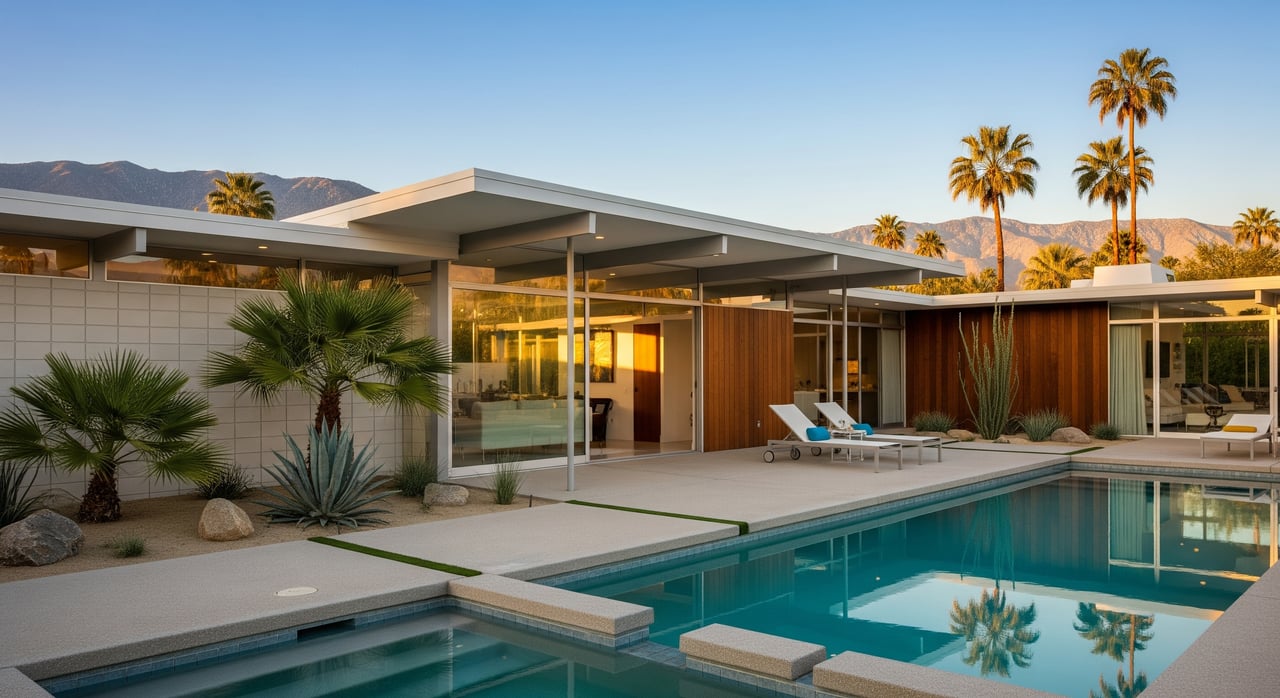
Shopping for a mid-century home in Palm Springs can feel like stepping into an open-air museum. The clean lines, glass walls, and sun-soaked courtyards are beautiful, but the details behind them matter when you are investing in a property. If you know the vocabulary, you can spot quality, ask sharper questions during inspections, and protect long-term value. This guide breaks down key Palm Springs modernism terms and shows you what to look for as a buyer. Let’s dive in.
What makes Palm Springs modernism unique
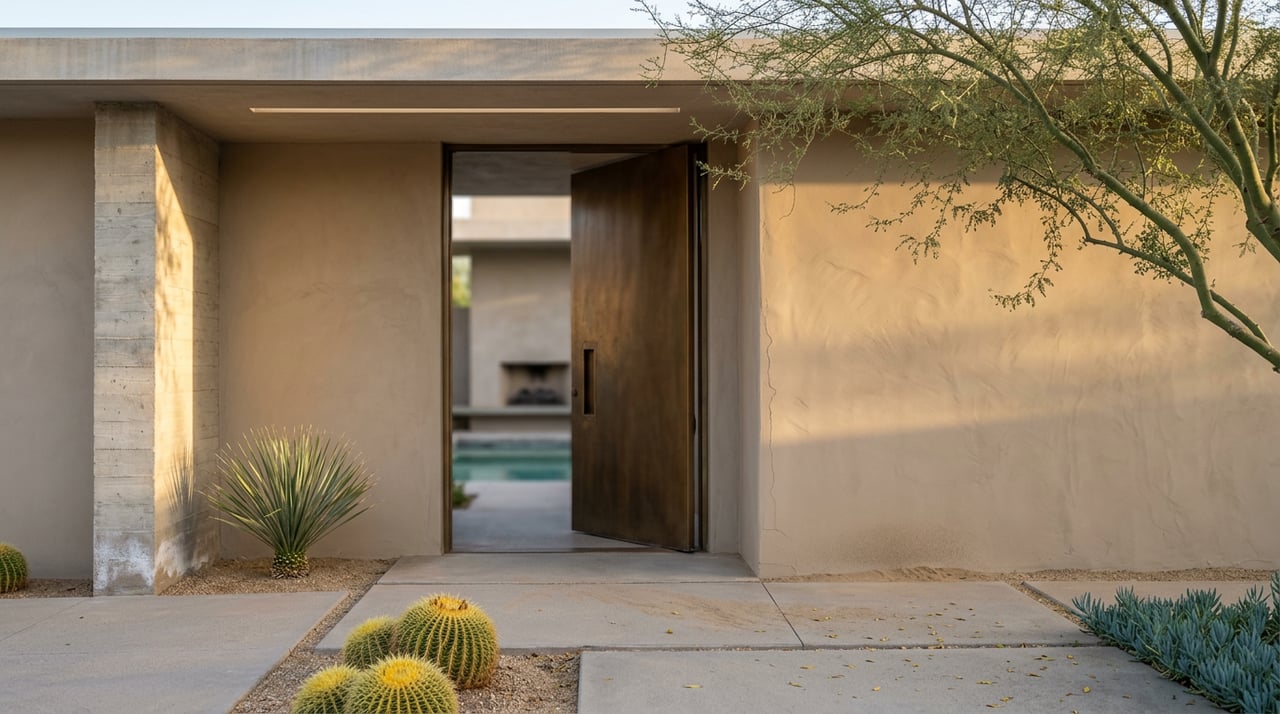
Palm Springs is known worldwide for mid-century and desert modern architecture. Homes here favor open plans, indoor-outdoor flow, and strong connections to views and light. Local architects adapted these ideas to the desert with deep overhangs, shade devices, reflective surfaces, and climate-friendly landscaping.
Influential names tied to the region include Albert Frey, Richard Neutra, E. Stewart Williams, Donald Wexler, and William Krisel. You will see everything from custom architect-designed residences to postwar tract modernism. Many buyers pay premiums for well-preserved homes, while poorly executed remodels can turn off design-savvy buyers.
Key architecture terms to know
Mid-century modern (MCM)
This is the broader postwar design movement that emphasizes functional plans, minimal ornament, and a connection to nature. In Palm Springs, MCM is the dominant style across many neighborhoods. Buyers should assess whether renovations respect the original proportions and materials, since authenticity can influence resale value.
Desert modern
Desert modernism is the regional version of MCM tailored to hot, arid conditions. You will see sun control through overhangs and screens, strategies to cool courtyards, and materials chosen for heat and glare. Look for homes where shading, glazing, and mechanical systems work together to support comfort.
Post-and-beam structure
Visible columns and beams support the roof, which allows open interiors and large glass walls. The exposed structure is part of the look and the engineering. Inspect beam connections for water intrusion and check for wood decay, corrosion on steel, and any seismic concerns.
Flat or low-slope roof
Many Palm Springs modern homes have flat or nearly flat roofs that create clean profiles. These roofs can perform well if properly drained and maintained. Prioritize inspection of the membrane, flashings, scuppers, and parapet details, since repairs can be costly and usually require specialists.
Butterfly roof
A butterfly roof slopes inward to a central valley that channels water. It is dramatic and very Palm Springs. The valley must be kept clear and well sealed, so ask about drainage, debris management, and the condition of waterproofing.
Clerestory windows
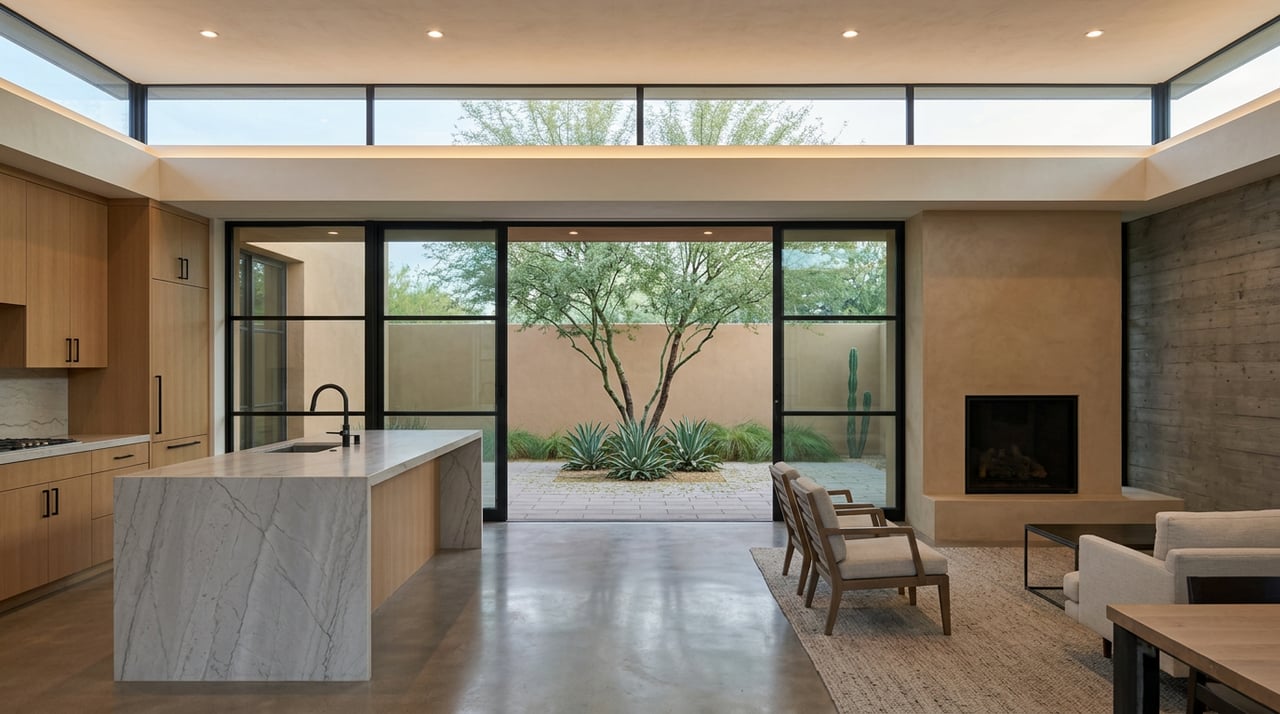
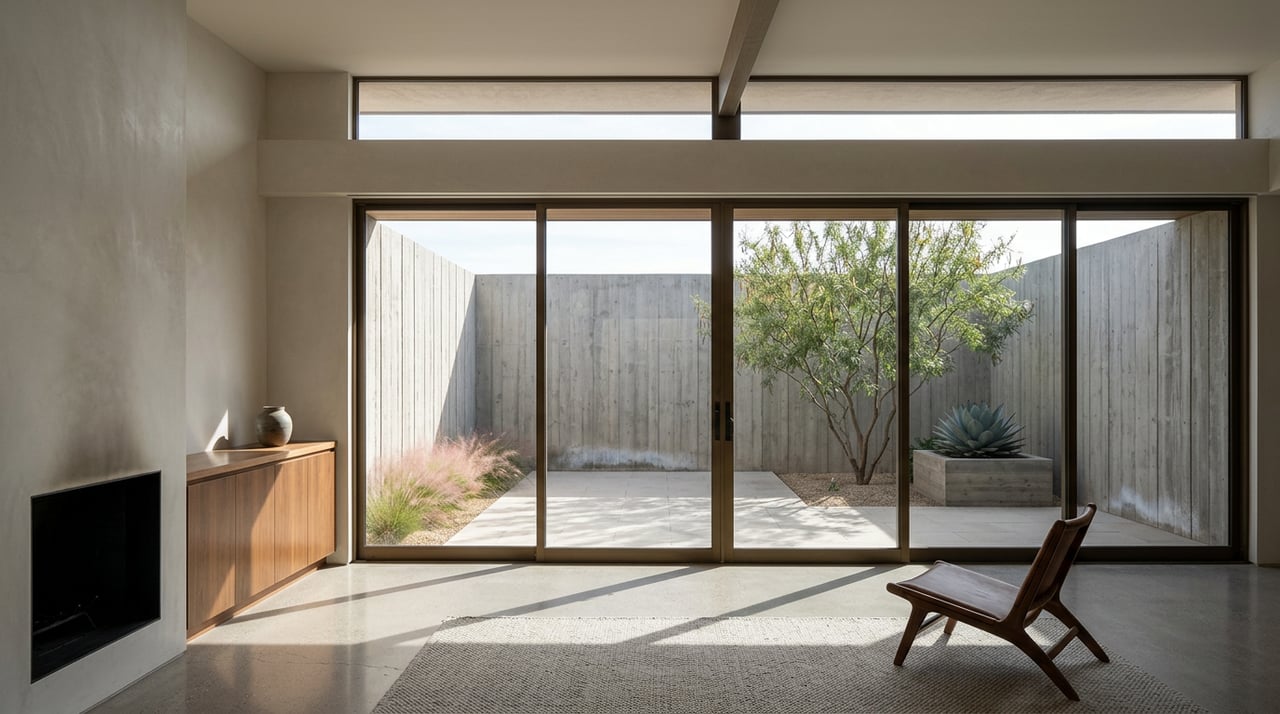
These are high, narrow windows near the roofline that bring in daylight while preserving privacy. They are beautiful but can be single-glazed or older units. If you plan to upgrade for energy performance, consider custom replacements that match the original slim profiles.
Floor-to-ceiling glass and sliders
Large glass walls blur the boundary between inside and outside. Original single-pane glass and aluminum frames may have thermal or UV limits. Check the condition of door tracks, seals, and screens, and plan for appropriate replacements that preserve sightlines if needed.
Ribbon windows
This is a horizontal band of windows that reads as a continuous strip. It supports the long, low modern profile. Verify smooth operation and weatherproofing, since poor replacements can change the home’s character.
Breeze blocks
Patterned concrete screen blocks offer privacy, airflow, and a distinctive texture. Original blocks can be hard to match if damaged. Consider airflow, security, and air-conditioning impacts when deciding whether to repair or modify these screens.
Cantilever
A cantilever is a roof, deck, or canopy that projects beyond its supports. The floating effect is a hallmark of modern design. Look for signs of sagging, cracking, or deflection, and be prepared for structural review if the projection shows stress.
Cantilevered or low-profile carport
Many modern homes feature integrated carports instead of enclosed garages. Consider your storage and security needs, and whether enclosing the carport is allowed under local rules or historic guidelines. If a garage was added later, review permits and structural details.
Atrium, courtyard, and breezeway
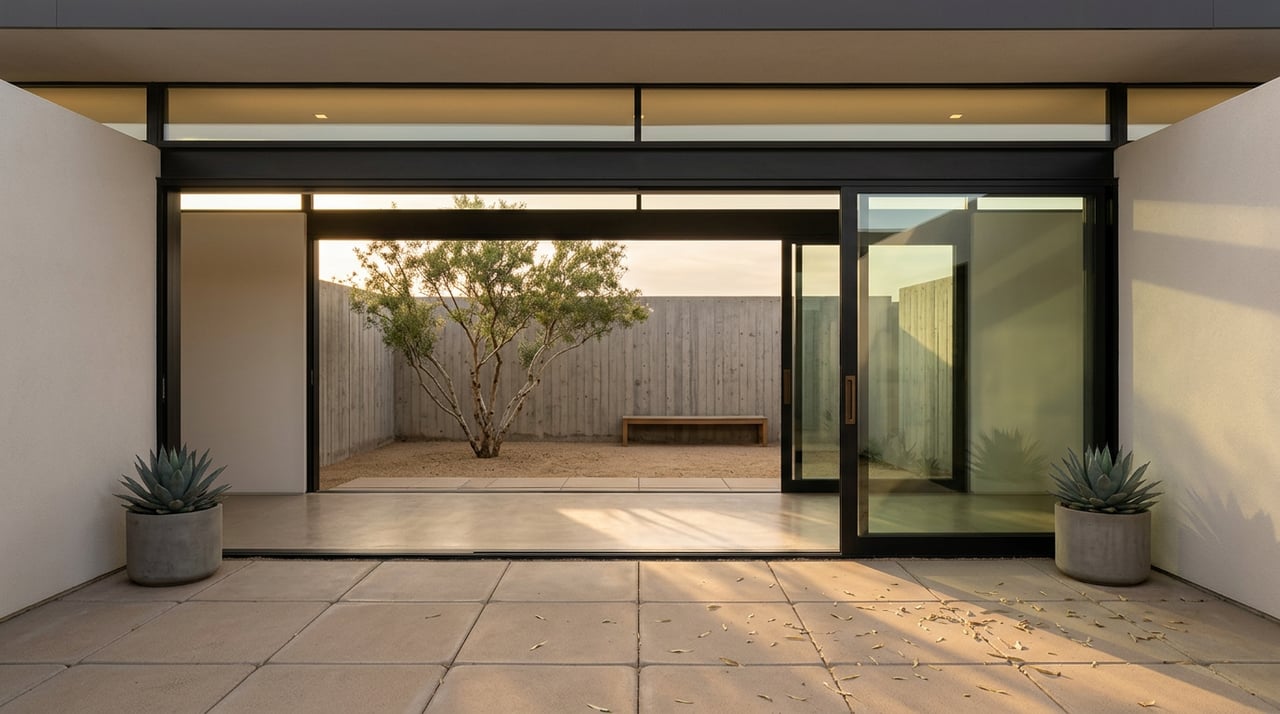
Outdoor rooms are often woven into the floor plan for light, cross-breezes, and privacy. These areas can create a comfortable microclimate but need careful waterproofing and drainage. Inspect where roofs, walls, and slabs meet to prevent water intrusion.
Steel frame and Wexler steel homes
Some Palm Springs homes use structural steel. Donald Wexler’s steel house prototypes are a notable local example. In the desert, look for sound connections and rust protection, particularly where newer modifications meet original steel.
Thermal mass
Concrete, masonry, and tile can absorb and release heat, helping regulate indoor temperatures. This strategy works best with night ventilation and shading. Adding insulation or changing materials without a plan can reduce performance, so consult qualified professionals before making big changes.
Brise-soleil and sun shading
Fixed overhangs, louvers, and screens limit solar heat gain. These elements are integral to comfort and energy use. Removing or downsizing them can increase cooling needs, so factor shade into any exterior updates.
Original vs retrofit mechanicals
Older homes may have original air-conditioning systems or past retrofits. Ask about age, refrigerant type, duct condition, and electrical capacity. Upgrades like ductless mini-splits can improve comfort with minimal visual impact when planned carefully.
What these features mean for inspections
A thorough inspection is critical for Palm Springs modern homes. Prioritize the items that most often affect performance, safety, and cost.
- Roof and drainage: Membrane condition, flashings, parapets, scuppers, and drain locations. Pay special attention to butterfly valleys and flat roof details.
- Glazing and frames: Seal failure, single-pane performance, frame corrosion or warping, sliding door track wear, and the feasibility of custom replacements.
- Structure: Exposed beams, steel connections, cantilevers, slab edges, and any cracks or settlement.
- Water intrusion: Junctions where glass meets structure, clerestory bands, atriums, and roof-to-masonry transitions.
- Mechanical, electrical, plumbing: A/C age and refrigerant, insulation adequacy, electrical panel capacity, and plumbing materials.
- Pools and decks: Plaster, equipment, tile, shell cracks, decking details, and waterproof membranes near the house.
- Masonry and breeze blocks: Cracks, spalling, and replacement match concerns.
- Termites and pests: Wood near irrigation or water features can still be vulnerable in the desert.
- Hazardous materials: Older roofs and floors may include asbestos; older paint may include lead. Test before renovation.
Preservation, comfort, and value
Well-preserved homes often command more interest among design-minded buyers in Palm Springs. That said, thoughtful modernization can make a vintage home more livable year-round without losing character. The sweet spot is usually to keep visible features authentic while upgrading systems discreetly.
- Windows: Consider high-performance custom units that match slim mid-century sightlines.
- HVAC: Ductless mini-splits, shading strategies, reflective roofing, and ceiling fans can improve comfort.
- Energy upgrades: Focus on reversible changes that do not harm visible character. Solar may be compatible with sensitive placement and review.
- Contractor selection: Choose professionals experienced with mid-century details, including steel work, breeze blocks, and custom glazing. Generic remodels can unintentionally erase value.
Insurance and financing also deserve attention. Flat roofs, extensive glazing, and custom elements can affect replacement cost estimates and policy terms. Appraisers may need strong comparables for uniquely preserved properties, and renovation loans often require clear scopes for preservation work.
Rules, permits, and historic designations
Palm Springs has active preservation programs and neighborhoods with design guidelines. If a property is locally designated or part of a historic district, there may be review for certain exterior changes. This can protect your investment and support quality work, and it may also open the door to technical assistance.
Structural changes, large glass replacements, and work on cantilevers typically require engineered plans and permits in California. Some communities have HOA rules or private covenants that shape exterior updates. Before you write offers or schedule contractors, clarify what is allowed on the specific property.
Smart next steps for buyers
If you are serious about a Palm Springs modern home, a clear plan will help you move fast and protect value.
- Line up your team: An agent with local modernism expertise, a home inspector familiar with flat roofs and large glazing, and a contractor or architect skilled in mid-century restoration.
- Do due diligence early: Ask for original plans, permit history, and documentation for roofs, windows, structural work, pools, and mechanicals.
- Clarify regulations: Contact the City of Palm Springs cultural resources or historic preservation staff to understand district guidelines and designation status.
- Get estimates: Price out priority repairs like roofing, glass, HVAC, and shade devices, including any custom or preservation-minded solutions.
- Think long-term: Consider future comfort upgrades that preserve visible character, and budget for specialized maintenance.
When you want senior-led guidance and discreet, end-to-end support in the Coachella Valley, the Mark Wise Group is here to help you evaluate options, coordinate experts, and negotiate the right outcome for your goals.
FAQs
What defines Palm Springs modernism for homebuyers?
- Palm Springs modernism blends mid-century design with desert adaptations like deep overhangs, shade screens, and indoor-outdoor plans, which affect comfort, maintenance, and value.
Which architectural features most affect inspections in Palm Springs?
- Flat or butterfly roofs, large glass walls, exposed post-and-beam structure, courtyards, and original mechanical systems typically drive inspection focus and cost estimates.
Are original windows and frames worth preserving?
- Original aluminum frames and slim sightlines can be valuable visually; if you upgrade, consider custom high-performance replacements that match the original profiles.
How do historic designations impact renovations?
- Designation can require review for some exterior changes while offering technical guidance; it helps protect character and may influence how and where upgrades occur.
What energy upgrades work best in desert modern homes?
- Effective options include shading and brise-soleil restoration, reflective roofing, ductless mini-splits, and carefully planned window upgrades that maintain the home’s appearance.
What should I budget for specialized maintenance?
- Plan for periodic roof assessments, glass and door track maintenance, sealing at structural junctions, and pool equipment updates, since these systems carry unique lifecycle costs.