Trying to choose between a sleek new build with low maintenance and a classic country-club address with full amenities? You are not alone. In Palm Desert, both options can be excellent, yet the costs, lifestyle, and long-term ownership experience are very different. In this guide, you will learn how newer subdivisions compare to established club communities across HOAs, amenities, taxes, water and energy realities, resale, and financing. Let’s dive in.
Newer builds: what to expect
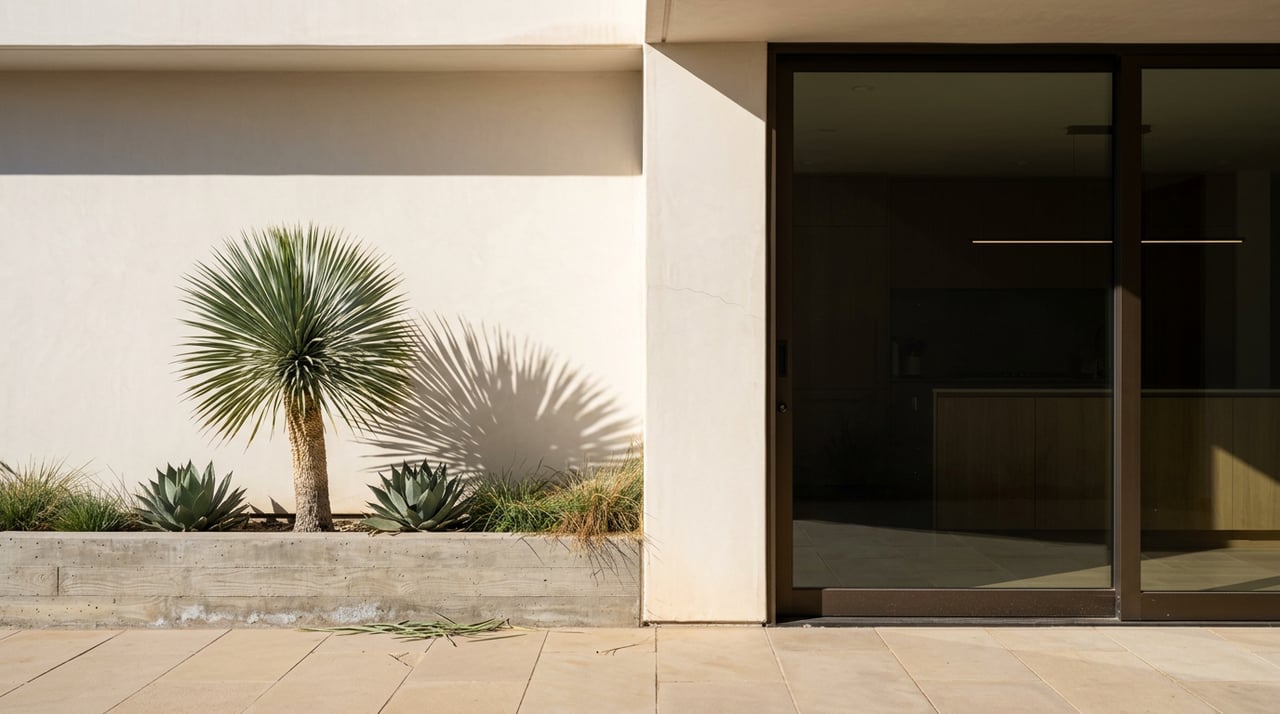
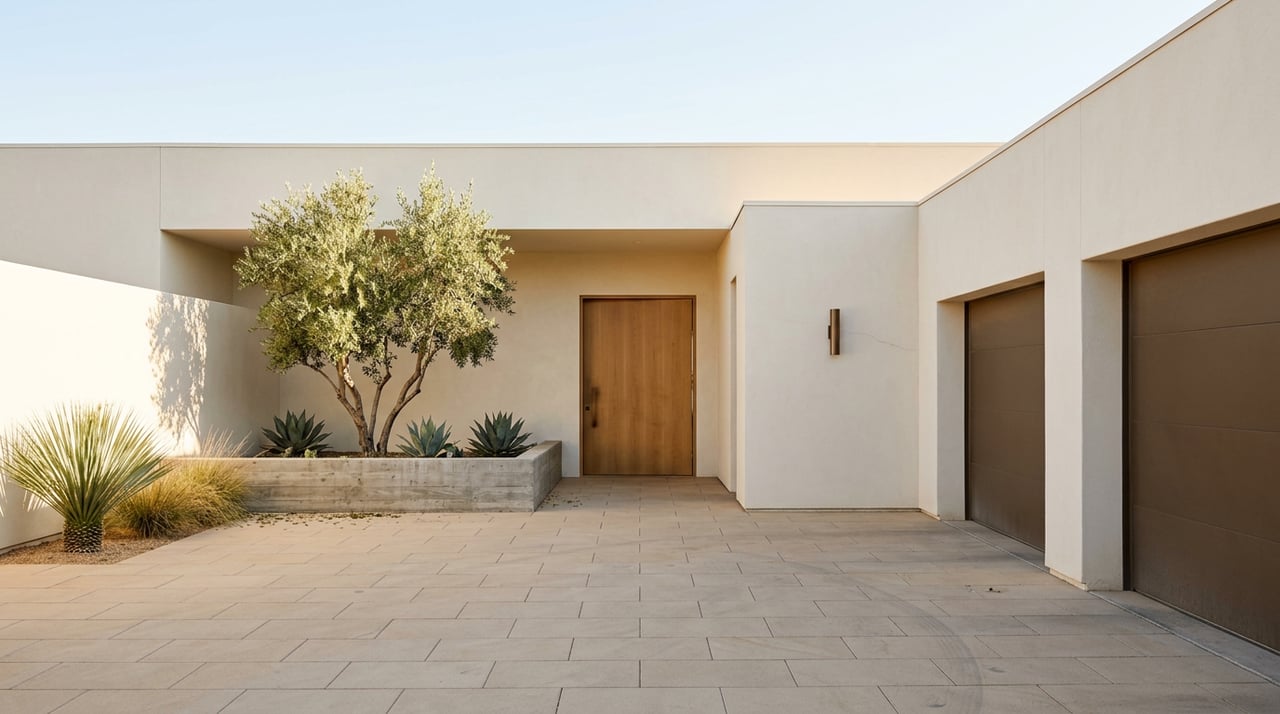
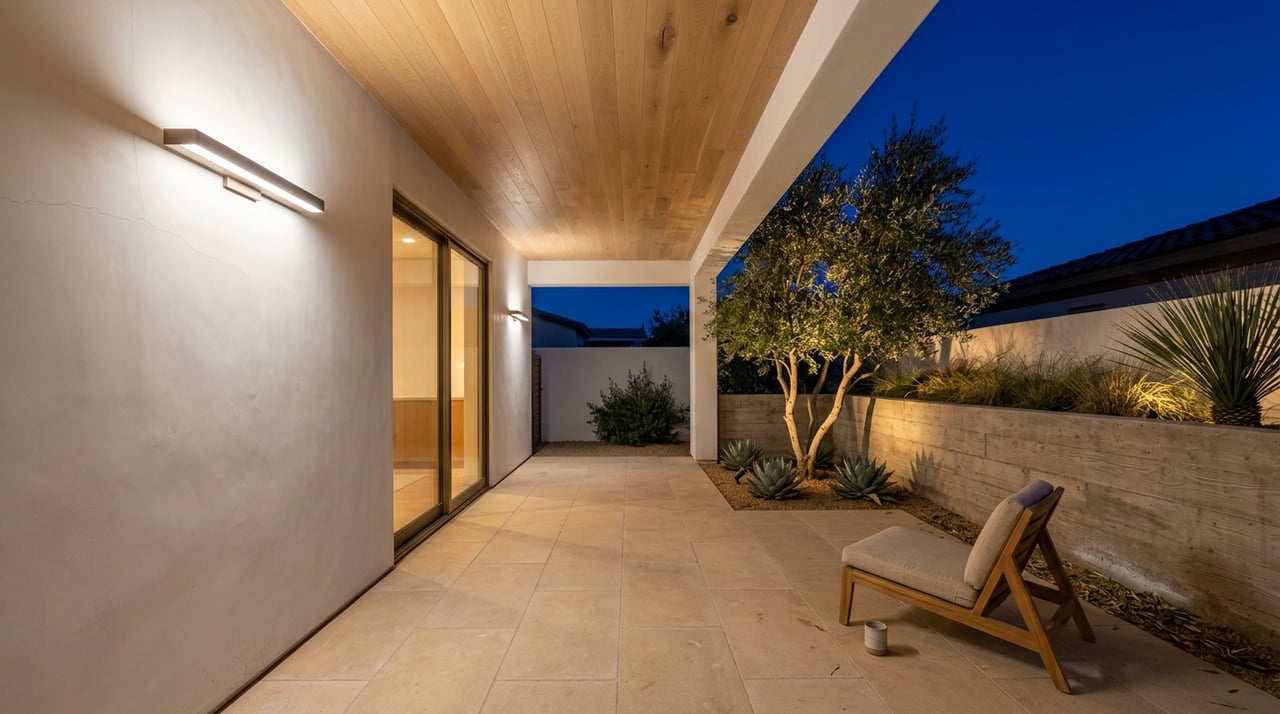
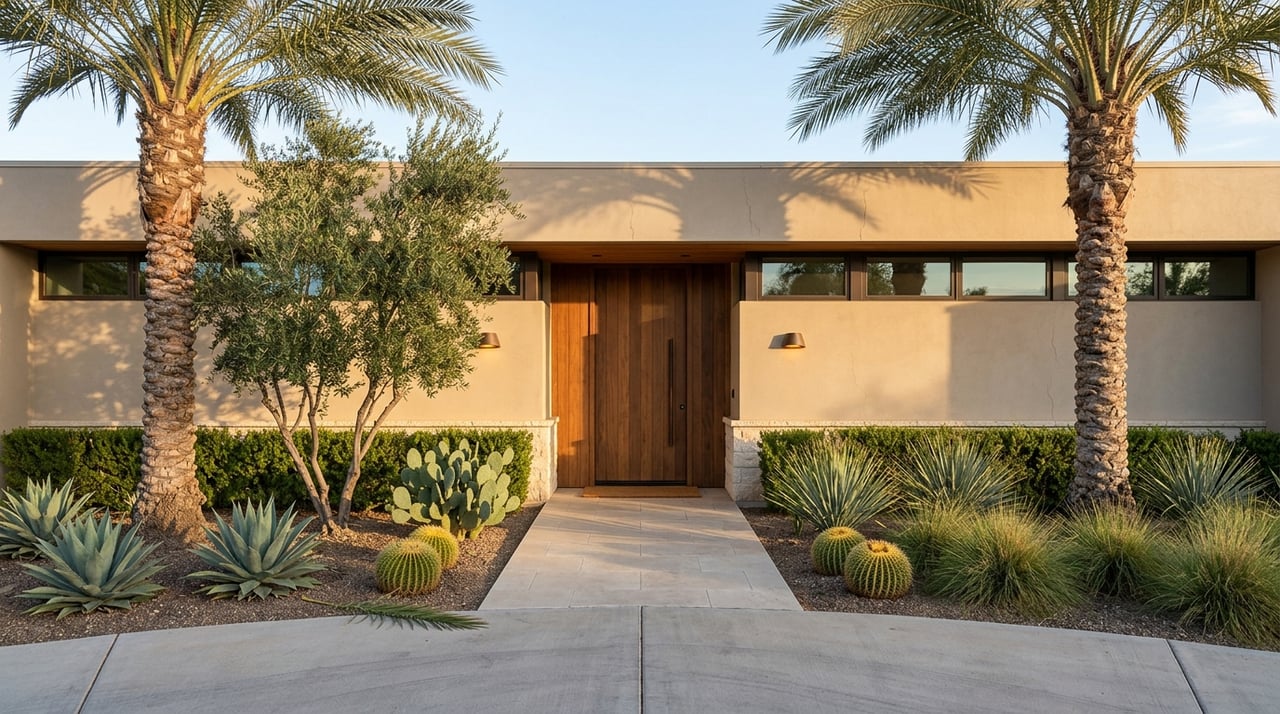
Newer master-planned neighborhoods in Palm Desert prioritize contemporary floor plans, indoor–outdoor living, and low-maintenance lots. You typically see open kitchens, large sliders, and desert-friendly landscaping that keeps yard care simple. Builders also provide warranties, and homes meet the latest energy codes, which can reduce operating costs compared to older stock.
Community features lean toward amenity hubs rather than full-service clubs. At University Park, for example, builders highlight a central gathering place with pools, pickleball, and event lawns rather than a private golf operation. You can preview this approach in the description of The Grove at Stella by Toll Brothers, which shows how these neighborhoods program social and fitness spaces without the expense of a full club model (Toll Brothers overview of Stella at University Park).
On the efficiency side, recent California code cycles increased energy and electrification readiness standards, which benefits you as a future owner. Newer builds are generally more efficient, often EV-ready, and easier to integrate with solar and battery systems. If you want to understand why code timing matters, the California Public Utilities Commission documents the state’s evolving energy goals and impacts on new construction (CPUC energy efficiency study).
Club communities: what to expect
Established country-club neighborhoods offer staffed dining, fitness, social programming, tennis and pickleball, and, in many cases, championship golf. Homes often sit on larger lots or along fairways and water features, with architecture that ranges from mid-century desert to Mediterranean resort styles. Many of these enclaves were built between the 1960s and 1990s, with remodels and updates over time.
To see a traditional private club model in action, review amenities and membership options at Indian Ridge Country Club, which features two 18-hole courses and a wide slate of services (Indian Ridge Country Club). This kind of full-service operation is a major lifestyle draw and an important cost driver.
HOA fees and assessments
HOA structures differ significantly between new subdivisions and club communities. Newer master plans often have a master HOA that manages parks and shared amenities and, in some cases, sub-HOAs for neighborhoods within the plan. In established club communities, you may see three layers: the residential HOA that enforces CC&Rs, a separate club entity that runs golf and dining, and a master association that maintains gates and roads. Club dues are typically independent of HOA dues.
California law sets clear expectations around reserve studies, budgets, and how special assessments are approved and disclosed. Associations must conduct regular reserve studies and provide buyers with reserve information and budgets, which helps you evaluate funding strength and assessment risk (Davis–Stirling reserve study overview).
Fee ranges in Palm Desert vary widely by product type. As a general frame, basic condos often sit at a few hundred dollars per month, mid-tier single-family planned communities can range higher, and full-service club communities can exceed one thousand dollars monthly. Treat these bands as illustrative. Always verify dues, club costs, and any pending assessments for a specific address before you write an offer.
Amenities and lifestyle fit
Your lifestyle priorities should guide your choice. If you want a single-vendor living experience with on-site golf, dining, and a robust social calendar, a club community will likely fit well. If you prefer a contemporary home with lower yard maintenance and a well-equipped but simpler amenity center, a newer subdivision may be ideal.
Palm Desert’s demographics include a sizable share of residents age 65 and older, which helps explain sustained interest in amenity-rich club living. According to U.S. Census estimates, about 37 percent of residents are 65-plus, a neutral data point that supports the depth of this lifestyle segment (U.S. Census QuickFacts).
Taxes, Mello-Roos, and CFDs
Some newer Palm Desert subdivisions use Community Facilities Districts, commonly called Mello-Roos, to finance public infrastructure. University Park, for example, established a CFD in 2021. This special tax appears on your property tax bill and is separate from standard ad valorem taxes. Always ask for the most recent tax bill and CFD disclosure for the specific parcel so you understand the all-in carrying cost from day one (City of Palm Desert CFD agenda reference).
Energy, water, and operating costs
Energy and water realities are central in the Coachella Valley. Newer homes generally deliver stronger baseline performance because they were built to more recent energy codes. That can translate to lower utility costs and smoother integration of EV charging and solar.
On the water side, the region has a high concentration of golf courses, and irrigating turf in a desert environment is a meaningful operating expense. The Coachella Valley Water District maintains conservation programs and nonpotable supplies for various uses, and policy shifts can influence costs for courses and, by extension, nearby communities (CVWD water conservation overview). If you are focused on a golf-course neighborhood, ask whether common-area irrigation uses recycled or nonpotable water and how the HOA budgets for it.
Resale and financing notes
Resale performance can be strong in both product types, but the drivers differ. Studies find a measurable “golf-adjacency premium” in many markets, though the size of that premium varies by course quality, reputation, and local market conditions. It is conditional: declining club quality can compress or flip the premium. The best approach is to use recent comparable sales inside the specific enclave and quantify any view or golf-front premium with data (KPMG study summary via GolfBusinessNews).
If you plan to finance an attached home, project approval matters. Lenders follow Fannie Mae, Freddie Mac, and FHA project-review rules that look at budgets, reserves, delinquencies, and any large pending assessments. Weak reserves or significant assessments can limit conventional or government financing, so involve your lender early to review project documents (Fannie Mae project review guide).
Palm Desert examples to know
- University Park: Contemporary master plan with neighborhood amenity centers like The Grove, offering pools and pickleball without a private golf operation (Stella at University Park overview).
- Indian Ridge Country Club: Established private club with two 18-hole courses, dining, fitness, and social programming (Indian Ridge Country Club).
- Palm Desert Greens Country Club: An age-qualified manufactured home community built around an 18-hole executive course that illustrates a distinct ownership and amenity model (Palm Desert Greens Country Club).
Smart due diligence checklist
Use this quick list before you commit to a purchase. Ask the seller, HOA, or club to provide documents during your investigation period.
- Current annual budget and latest financials, including operating and reserve balances. Confirm whether reserve contributions match the reserve study’s recommendation (reserve study requirements).
- Most recent reserve study and the board’s adopted funding plan. Note any deferred projects or funding gaps (Davis–Stirling overview).
- HOA meeting minutes for the last 12 to 24 months. Watch for capital projects, loans, reserve transfers, litigation, or active assessment discussions.
- CC&Rs, bylaws, rules, and rental policy. Short-term rental limits can affect your intended use.
- Insurance summary for the master policy and any owner-required coverage. Clarify walls-in vs. walls-out and deductibles.
- Club membership documents. Confirm mandatory vs. optional membership, equity vs. non-equity, initiation and monthly dues, and any transfer or refund policy.
- Property tax bill and parcel notes. Identify any Mello-Roos or CFD special taxes and assessment bonds for the parcel (Palm Desert CFD reference).
- Water supply details for common areas. Ask if recycled or nonpotable water is used and how water budgeting is handled in the HOA (CVWD conservation overview).
- Project eligibility for FHA/VA/conforming loans if you need financing. Have your lender run a project review early (Fannie Mae project review).
- Resale outlook based on local comps for the exact enclave. Compare days on market, sale-to-list ratios, and price per square foot for golf-adjacent vs. non-golf homes.
Which option fits you
- Choose a newer build if you value modern design, lower yard maintenance, efficient systems, and a streamlined amenity set with manageable dues. Review the property tax bill for any CFD and confirm HOA reserves so you can plan with confidence.
- Choose a club community if on-site golf, dining, fitness, and an active social calendar are top priorities. Expect higher recurring costs and take time to review club documents, initiation fees, and any upcoming capital projects.
If you want a clear read on a specific address, community, or club, our team can help you weigh costs and tradeoffs before you act. For a private, senior-led consultation tailored to your goals in Palm Desert, reach out to the Mark Wise Group.
FAQs
What are typical HOA fees in Palm Desert communities?
- Fees vary widely. Basic condos often run a few hundred dollars per month, mid-tier single-family planned communities can be higher, and full-service club communities can exceed one thousand dollars monthly. Always verify the exact dues and what they cover.
How do Mello-Roos and CFDs affect new builds in Palm Desert?
- Some newer subdivisions include a CFD special tax that appears on your property tax bill. It finances public infrastructure and is separate from your standard property tax. Always request the current tax bill and CFD disclosure for the parcel.
Are builder warranties standard on new construction homes?
- Yes, most builders provide an express warranty and a structural coverage period. Review the warranty booklet to understand coverage timelines and maintenance responsibilities.
Do I need a club membership to buy in a country-club community?
- It depends on the neighborhood. Some communities require a membership with home purchase while others have optional memberships. Always confirm membership terms, initiation fees, dues, and transfer rules in writing.
How does water use impact HOA costs in golf communities?
- Irrigating golf courses in a desert climate is expensive and can be a significant operating cost for clubs and HOAs. Ask whether common areas use recycled or nonpotable water and how the HOA budgets for water.
Can I finance a condo in a club or resort community?
- Often yes, but the project must meet lender requirements on reserves, budgets, delinquencies, and any large assessments. Have your lender complete a project review early to avoid surprises.