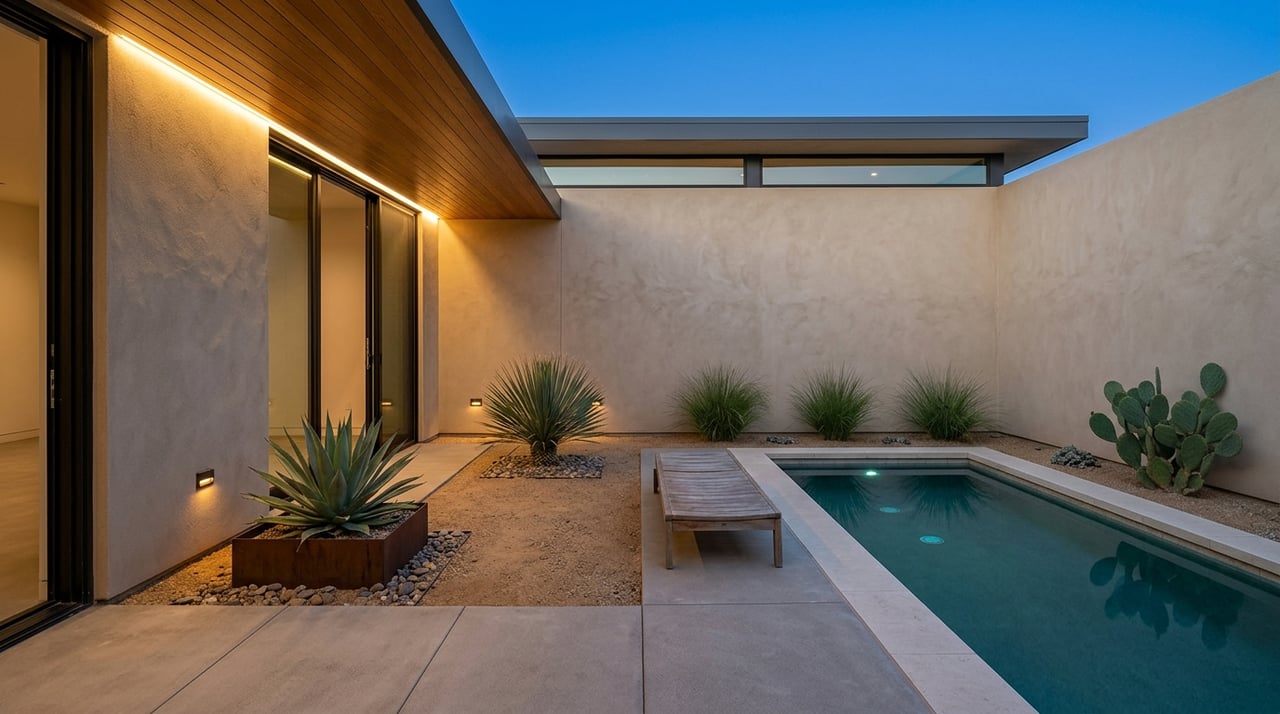
Looking for a home you can enjoy in season and leave behind with confidence the rest of the year? In Indian Wells, that goal is a big reason villas and condos appeal to second-home buyers, seasonal residents, and anyone who wants resort living with less day-to-day upkeep. If you are weighing your options, this guide will help you understand how lock-and-leave ownership works in Indian Wells, what to look for in HOA documents, and which questions matter most before you buy. Let’s dive in.
Why Indian Wells Works Well
Indian Wells is built around a resort lifestyle that naturally fits lock-and-leave ownership. The city highlights four luxury resorts, the Indian Wells Golf Resort, the Indian Wells Tennis Garden, and six residential country clubs that often function like cities within a city.
That setting matters if you plan to split time between the desert and another home. In a place designed for seasonal use, many buyers are drawn to properties that can offer easier upkeep, community support, and a smoother arrival-and-departure routine.
Indian Wells also has a strong second-home identity. The city promotes resident benefits tied to local resorts and events, which adds to the appeal for buyers who want a home base in the Coachella Valley without the demands that often come with a larger standalone property.
What “Lock-And-Leave” Really Means
A lock-and-leave property is usually one that supports extended absences more easily than a typical single-family home. In practice, that often means less exterior maintenance, more shared upkeep through the HOA, and community features that can help you feel more comfortable when you are away.
That said, lock-and-leave does not mean maintenance-free. In California common-interest developments, the actual division of responsibilities depends on the ownership structure and the governing documents, not just the marketing language.
For that reason, two homes that both look like villas may work very differently. One community may handle more exterior items through the HOA, while another may place more responsibility on the owner than you expect.
Villas And Condos In Indian Wells
In Indian Wells, the word villa can describe more than one type of property. It is a local label, not a single legal category.
California’s Department of Real Estate explains that a condominium can be an airspace condo or even a detached condo. It also separates ownership into common area, separate interest, and exclusive-use common area, which is important because parts of a home that feel private, such as patios, driveways, parking spaces, shutters, or awnings, may still fall into a special HOA category.
That is one reason a villa can feel private while still operating within an HOA structure. You may have a secluded patio or a dedicated driveway, but the maintenance and repair obligations may still be shared or split in ways that only the documents fully explain.
Indian Wells also shows how broad the label can be. The city’s Housing Authority lists Mountain View Villas and Indian Wells Villas as senior, income-capped communities, which is a reminder that the term does not always mean a luxury country-club property.
At the club end of the market, the options look very different. Desert Horizons includes custom estate homes, single-family residences, and paired condos, along with 10 neighborhood pools, golf, a clubhouse, a fitness and wellness center, and courts.
Other Indian Wells club communities also speak to lock-and-leave priorities. The Reserve describes a mix of bungalows, casitas, villas, and estates, while highlighting a 24-hour staffed security gate, roving patrols, an on-property post office, and HOA staff. Toscana describes a 24-hour guarded community with roving patrol and a large home collection tied to golf and club amenities.
The Appeal For Seasonal Buyers
If you travel often or live in more than one place each year, villas and condos can offer a simpler ownership experience. Many buyers like the idea of arriving to a home where exterior care, shared amenities, and some common systems are managed at the community level.
That convenience can be especially valuable in a resort market like Indian Wells. You may spend less time coordinating vendors and more time enjoying the reason you bought in the desert in the first place.
Security is another big factor. Gated entry, staffed gates, roving patrols, and HOA-supported operations can add peace of mind for owners who plan to be away for long stretches.
HOA Coverage: Read Beyond The Monthly Dues
One of the biggest mistakes buyers make is assuming monthly dues tell the whole story. In reality, the HOA fee is only useful when you understand what the association is actually required to maintain, repair, and replace.
California Civil Code section 4775 sets a default rule: the association maintains common area, the owner maintains the separate interest, and the owner maintains exclusive-use common area while the association repairs and replaces it, unless the declaration says otherwise. The key phrase is unless the declaration says otherwise.
That means you should always review the CC&Rs and related documents for the specific community. In some projects, owners may be responsible for more exterior components than they expected, including roof maintenance in certain structurally independent and separately insurable setups.
Before you buy, make sure you know who handles:
- Roof maintenance and replacement
- Exterior paint and finishes
- Landscaping around the unit
- Pool or spa upkeep, if applicable
- HVAC access and service responsibilities
- Patios, driveways, and parking areas
These details shape the real lock-and-leave experience. A property is only low-maintenance if the documents support that lifestyle.
Reserve Funding Matters More Than You Think
A lock-and-leave buyer should care about the HOA’s financial health just as much as the floor plan. If the association is responsible for major shared components, you want to know whether it has a realistic plan to maintain them.
California Civil Code section 5550 requires associations to visually inspect major components at least every three years, review the reserve study annually, and maintain a reserve funding plan that estimates costs and remaining useful life. Civil Code section 5300 also requires annual budget disclosures that address reserves, special assessments, loans, and insurance summaries.
For you, that means a well-run HOA should be able to show how it is planning for roofs, gates, pools, shared systems, and other major components. If reserve funding is weak, the risk of higher future costs can increase.
A few smart review points include:
- Current reserve balance
- Recent or planned special assessments
- Major projects on the horizon
- Loan obligations, if any
- Annual budget disclosures
Insurance Questions To Ask Early
Insurance is another area where buyers should slow down and look closely. The California Department of Insurance says condo unit-owner insurance typically covers personal property, loss of use, liability, and interior improvements the owner is responsible to maintain, while the association generally insures the building structure and common areas.
That does not mean you are fully protected by the HOA’s policy. Civil Code section 5300 notes that the association’s insurance may not cover your personal property or improvements around the dwelling, and deductibles can still affect you.
It is also worth asking about loss-assessment coverage. The California Department of Insurance notes that this can matter for condo owners, including situations involving assessments tied to covered events.
Before closing, ask for the HOA insurance summary and clarify:
- What the HOA policy covers
- What your personal policy should cover
- Whether interior improvements are your responsibility
- How deductibles are handled
- Whether loss-assessment coverage makes sense for the property
Villas And Condos Vs. Single-Family Homes
Many Indian Wells buyers are not just comparing floor plans. They are comparing lifestyles.
Attached villas and condos often offer easier extended absences, more predictable exterior maintenance, and a simpler day-to-day routine. In exchange, you may have less privacy, less control over certain exterior decisions, and more dependence on HOA rules and timelines.
Single-family and estate homes often provide more autonomy, more space, and more customization potential. But they can also place more exterior, landscape, pool, and vendor management on the owner unless the governing documents say otherwise.
Here is the practical trade-off: if your top priority is flexibility and ease, a villa or condo may be the better fit. If your top priority is control and customization, a single-family home may better match your goals.
Amenities Shape The Decision Too
In Indian Wells, the housing choice is often tied to the amenity package. That can be just as important as square footage.
The city notes that Indian Wells Country Club offers 36 holes of championship golf and a wellness center. Desert Horizons pairs golf with a 40,000-square-foot clubhouse, fitness center, courts pavilion, and 10 neighborhood pools.
Toscana combines 36 holes of golf with spa, sports club, and dining amenities. The Reserve adds a fitness and wellness center, Jr. Olympic pool, courts, spa spaces, and hiking.
If you are deciding between a condo, villa, or single-family home, you are often also deciding how you want to spend your time when you are here. Some buyers want a simple home base with easy access to amenities. Others want a larger residence and are comfortable taking on more ownership responsibility.
Rental Rules Need A Close Look
If you think you may rent the property while you are away, Indian Wells rules need careful review. The city says new short-term rental permits require a 29-night minimum stay, with a 7-night minimum only during the BNP Paribas Open window.
The city also states that an HOA may opt out only of the minimum-stay rule, not the rest of the ordinance. Vacation rentals must collect transient occupancy tax and have a 24/7 local contact for complaints and emergencies.
For buyers, the main takeaway is simple: do not assume a lock-and-leave home is also a flexible rental property. You need to confirm both city rules and the HOA’s rules before you buy, especially if rental use is part of your plan.
Smart Questions Before You Buy
A strong purchase decision usually comes down to a few specific questions. These questions can quickly reveal whether a community truly fits your goals.
Ask about:
- Who maintains the roof, exterior walls, and paint
- Whether patios, driveways, and parking are exclusive-use common area
- How strong the HOA reserves are
- Whether there is an active reserve study and funding plan
- What the annual insurance summary shows
- Whether the community allows your intended rental use
- What security and on-site support the community provides when owners are away
For remote and seasonal buyers, these answers matter as much as finishes and views. The right property should match both how you want to live and how you want to be absent.
How To Buy With More Confidence
In Indian Wells, a great lock-and-leave property is not just about attractive design or club access. It is about the fit between the home, the HOA structure, the community support, and your personal use pattern.
That is why careful review matters. When you understand the maintenance split, reserve position, insurance structure, amenity setup, and rental rules, you can choose a property that feels easy to own, not just easy to admire.
If you are exploring villas, condos, or club properties in Indian Wells, working with a local team that understands resort-community ownership can help you ask better questions from the start. For a private, senior-led conversation about Indian Wells options, connect with Mark Wise Group.
FAQs
What is a lock-and-leave home in Indian Wells?
- A lock-and-leave home in Indian Wells is usually a property designed for easier extended absences, often with HOA-managed common areas, lower exterior upkeep, and community features like gated entry or patrol services.
Are all villas in Indian Wells luxury properties?
- No. In Indian Wells, the term villa is used broadly and can describe different types of housing, including senior income-capped communities as well as luxury club properties.
What does an HOA usually cover in an Indian Wells condo or villa?
- HOA coverage varies by community, but California’s default rules generally assign common-area maintenance to the association and separate-interest maintenance to the owner, unless the governing documents state otherwise.
Why do HOA reserves matter for Indian Wells lock-and-leave buyers?
- HOA reserves matter because they show how the association plans for major future costs like roofs, gates, pools, and shared systems, which can affect your long-term ownership costs.
What insurance should you review before buying an Indian Wells condo?
- You should review the HOA insurance summary and your likely unit-owner policy needs, including coverage for personal property, liability, interior improvements, deductibles, and possible loss-assessment exposure.
Can you rent out a lock-and-leave condo in Indian Wells when you are away?
- Possibly, but you need to verify both city and HOA rules because Indian Wells says new short-term rental permits generally require a 29-night minimum stay, except for a 7-night minimum during the BNP Paribas Open window.