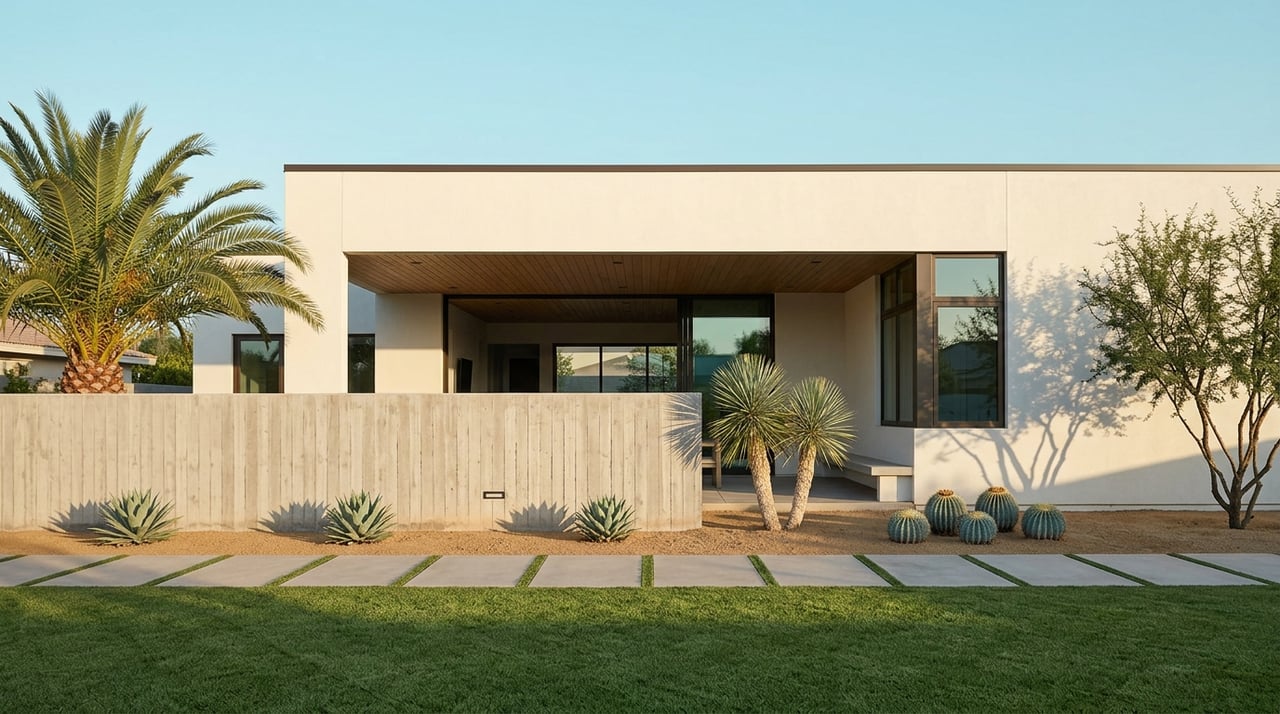
If you are deciding between a golf club community and a non-golf gated neighborhood in Rancho Mirage, the choice is usually less about prestige and more about how you actually want to live. Some buyers want golf, dining, and club events built into the week, while others want gates, privacy, and resort-style amenities without paying for a course they may rarely use. Understanding that difference can save you money, narrow your search, and help you choose a community that fits your routine. Let’s dive in.
Rancho Mirage Lifestyle Options
Rancho Mirage offers both club-centered and non-golf gated living, which is part of what makes the city so appealing. According to Visit Greater Palm Springs, the city has more than a dozen golf courses, along with lifestyle anchors like The River, Sunnylands, the Rancho Mirage Amphitheater, and the Rancho Mirage Library and Observatory.
That matters because your home search here is not simply about buying behind gates. It is about choosing whether you want your neighborhood organized around a golf and club calendar, or around a more residential rhythm with shared amenities and social options that do not depend on the course.
What Golf Club Living Means
In Rancho Mirage, golf communities often center daily life around the course, clubhouse, and member events. These neighborhoods tend to offer a more structured lifestyle, with recreation, dining, and social activities woven into ownership.
Sunrise Country Club is a clear example. The club describes 746 condominium homes surrounding an 18-hole executive course, with clubhouse dining, tennis, pickleball, bocce, fitness, and social programming as part of the community experience. The same page states that homeowners automatically become equity members, with no additional initiation fee.
At the more exclusive end, Thunderbird Country Club membership is invitation only. Its club life overview highlights golf, tennis, fitness, dining, themed events, live music, and a busy social calendar.
Who Golf Communities Often Suit
Golf-club living may be a strong fit if you want:
- Frequent on-site golf and organized play
- Dining and social events inside the community
- Racquet sports and fitness as part of your weekly routine
- A club-oriented setting rather than a purely residential one
For many buyers, the real benefit is convenience. If golf is already a major part of your lifestyle, having the course and social calendar built into the neighborhood can feel seamless.
Golf Club Costs to Understand
The biggest difference between golf and non-golf living is often the fee structure. In many club communities, ownership costs can come in layers rather than one simple monthly bill.
For example, the Sunrise Country Club 2025 fee sheet lists sample HOA dues of $742.84 and $775.03 per month, plus separate social dues of $129.78 per month and equity dues of $215 per month. The same fee sheet also lists annual equity golf memberships from $3,600 to $6,235 for singles and couples, along with annual food minimums of $600 for singles and $1,200 for couples.
That layered structure is not automatically a negative. It can make sense if you will use the course, events, and club amenities often. But if you are not a regular golfer, those recurring costs deserve a close look.
What Non-Golf Gated Living Means
Non-golf gated communities in Rancho Mirage usually shift the focus away from the course and toward privacy, maintenance, shared amenities, and a neighborhood-driven social scene. You can still get a polished, resort-style feel, but golf is not the main organizing feature.
Mirage Cove is a good example. Its HOA site describes a gated community near hiking trails and the Big Horn Sheep Nature Preserve, with single-family homes, private courtyards, pool and spa access, tennis courts, pickleball courts, terraced streets, and resident social events.
Del Webb Rancho Mirage is another non-golf option with an active lifestyle focus. The community site and its resident newsletter point to 24-hour gates, clubhouse access, a fitness center, pools, resident groups, and activities that include golf, pickleball, bridge, and photography.
Who Non-Golf Communities Often Suit
Non-golf gated living may be a better fit if you want:
- Gates and amenities without paying for a golf course
- A more residential feel
- Single-family home options and privacy-oriented layouts
- Social opportunities without a club-driven schedule
This option often appeals to buyers who like the Rancho Mirage resort setting but want more flexibility in how they spend time and money.
Comparing the Cost Structure
In simple terms, golf communities often stack HOA dues with club-related dues, while non-golf neighborhoods more often rely on a single HOA assessment. That difference can affect both your monthly budget and your long-term comfort with ownership.
The Del Webb examples in the research show HOA fees roughly in the $420 to $550 per month range on recent public listings, with community amenities included. The same research also notes that some extras may be optional. For instance, the Del Webb newsletter references a $25 monthly fitness class program, which shows how certain lifestyle add-ons may sit outside the core HOA structure.
Here is the practical takeaway: if you plan to use golf and club programming often, layered fees may feel worthwhile. If not, a simpler HOA model may offer better value for your lifestyle.
Home Style Differences to Notice
Beyond dues, the physical housing style can be very different between these two categories. That can be just as important as the amenity list.
Golf-club communities in Rancho Mirage often include older, more established housing stock with compact layouts and lock-and-leave appeal. Sunrise Country Club says the community was built in the early 1970s and consists of one-, two-, and three-bedroom condominium floor plans.
Non-golf gated communities often lean more toward detached homes and privacy-focused design. Mirage Cove describes single-family homes with private courtyards, panoramic views, and floor plans from 2,260 to 3,117 square feet. The research also notes that public Del Webb listing pages identify single-family residences built in the late 2010s and early 2020s.
If you want a condo lifestyle with strong community proximity, a golf club setting may feel natural. If you want a newer-home feel, more separation, and a detached layout, non-golf gated options may deserve more attention.
Five Questions to Ask Before You Buy
Before you choose between a golf club and a non-golf gated community in Rancho Mirage, verify the details that affect day-to-day ownership.
1. Is membership mandatory or optional?
This is one of the first things to confirm. At Sunrise, ownership includes equity membership, but golf itself is a separate membership option according to the club’s community information page.
2. What does the HOA actually cover?
Do not assume every fee includes the same services. The Sunrise fee sheet says HOA dues cover cable and internet, trash, exterior care including roof, common-area landscaping, and quarterly pest control.
3. Can dues change over time?
Yes, they can. The Del Webb Rancho Mirage FAQ notes that assessments can fluctuate based on service costs, budgets, reserves, or board decisions.
4. Are there extra activity charges?
Some communities keep optional programs outside the standard HOA payment. The Del Webb newsletter shows that certain lifestyle offerings, such as fitness classes, may carry separate fees.
5. Do you want club culture or residential culture?
This may be the most important question of all. Thunderbird and Sunrise reflect a more club-centered lifestyle, while Mirage Cove and Del Webb reflect a more residential model with amenities and social options that are not built around a golf identity.
How to Choose the Right Fit
The right choice usually comes down to honesty about how you live week to week. If you want easy access to golf, member events, dining, and organized activity, a golf-club community may be worth the additional cost and structure.
If you are more focused on privacy, simplicity, single-family living, and resort-style amenities without a golf obligation, a non-golf gated neighborhood may be the better match. Rancho Mirage gives you both paths, which is a major advantage when you want a home that fits your actual lifestyle, not just a label.
When you are ready to compare specific communities, floor plans, and fee structures in more detail, Mark Wise Group can help you narrow the options and make a confident choice with local, senior-led guidance.
FAQs
What is the main difference between Rancho Mirage golf clubs and non-golf gated communities?
- Golf club communities are usually centered on course access, clubhouse amenities, and organized club life, while non-golf gated communities tend to focus more on privacy, shared amenities, and a residential feel.
Are Rancho Mirage golf community fees usually higher than non-golf gated community fees?
- They often are, because golf communities can include layered costs such as HOA dues, social dues, equity dues, golf memberships, and food minimums rather than one simpler HOA structure.
Do non-golf gated communities in Rancho Mirage still offer amenities and social activities?
- Yes. Research examples like Mirage Cove and Del Webb Rancho Mirage show amenities such as pools, fitness spaces, courts, gates, and resident social groups.
Are home styles different in Rancho Mirage golf and non-golf communities?
- Often, yes. Golf communities can include more established condominium layouts, while non-golf gated communities may offer more detached single-family homes and privacy-oriented floor plans.
What should you verify before buying in a Rancho Mirage gated community?
- You should confirm whether membership is mandatory or optional, what the HOA covers, whether dues can change, whether activities have added fees, and whether the community feels more club-centered or residential.