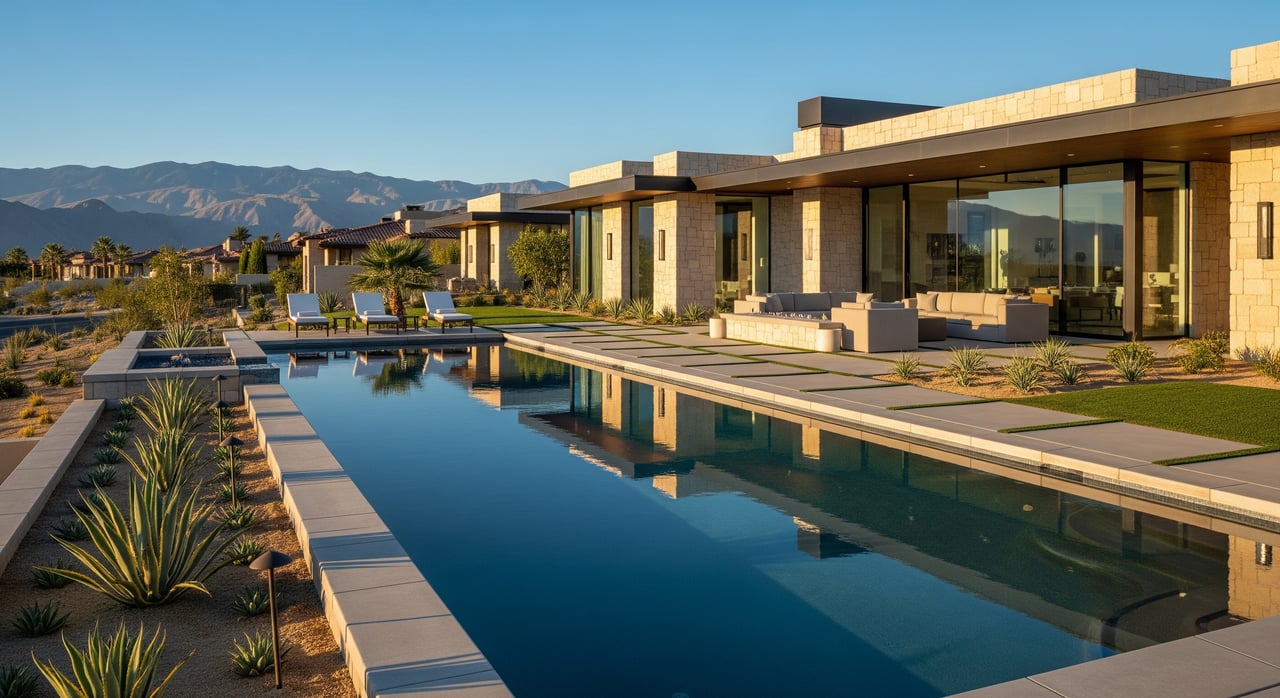
Thinking about buying in Indian Wells but wondering if the premium is truly worth it? You are not alone. The desert’s most exclusive zip codes often carry higher purchase prices, and the real question is what it costs to own, not just to buy. This guide walks you through a clear total cost of ownership framework tailored to Indian Wells so you can budget confidently and decide if the lifestyle and future resale potential justify the premium. Let’s dive in.
Indian Wells premium: what you pay for
Indian Wells is an affluent, resort-focused city in the Coachella Valley known for luxury single-family homes, private country clubs, and the Indian Wells Tennis Garden. The combination of high-end amenities, low-density planning, and a significant share of seasonal and second homes supports above-average pricing versus many neighboring cities.
Amenities and lifestyle drivers
- Proximity to private country clubs and golf resorts.
- Access to international tennis events and destination hospitality.
- Privacy, views, and larger lots in select communities.
Who buys here and seasonality
Many buyers are high-net-worth second-home owners, local retirees, and out-of-area seasonal residents. That mix creates seasonal listing and showing patterns, especially in winter. Seasonality can influence time on market and negotiation dynamics.
How premiums show up
- Higher acquisition price for comparable square footage or lot size.
- Recurring HOA or club dues tied to amenity-rich communities.
- Desert-specific operating costs, including summer electricity and irrigation.
TCO basics: what to count
A smart decision starts with a full line-by-line view of costs over your expected holding period.
One-time acquisition costs
- Purchase price and pricing premium compared with nearby cities.
- Closing costs: lender, escrow, title, recording, and any transfer taxes.
- Prepaid items: property tax proration, first-year insurance, and any HOA or club initiation fees.
Annual carrying costs
- Property taxes under California rules and local assessments.
- HOA dues and any separate club dues.
- Insurance policies: homeowners, and optional earthquake or flood coverage.
- Utilities: electricity, water, sewer, gas, internet.
- Routine maintenance: pool/spa, landscaping, HVAC servicing, pest control.
- Security or property management if you are a second-home owner.
Capital and reserve items
Plan for periodic replacements and big-ticket work. In the desert, HVAC cycles can be shorter due to heavy summer use. Pool equipment, roofs, stucco, paint, and irrigation systems also require attention over time.
Financing and opportunity cost
Your financing structure drives the monthly payment and interest cost. If you pay cash, consider the opportunity cost of your down payment versus investing elsewhere when comparing alternatives.
Taxes and rules that shift net cost
Local and statewide policies can change the after-tax picture of ownership.
Property tax and Prop 13
Under Prop 13, the base tax is 1 percent of assessed value, plus voter-approved assessments and special taxes. Your assessed value typically resets to the purchase price upon sale, which is critical for long-term planning. Confirm any Mello-Roos or community facilities district charges on the parcel.
Federal and state deductions
Mortgage interest deductions are subject to federal limits based on loan amounts and origination dates. The state and local tax deduction cap affects how much property tax you can deduct at the federal level. If you convert the home to a rental or mix personal use with rental use, rules for depreciation and reporting differ from a primary residence.
Short-term rental rules
Short-term rental policies vary across Coachella Valley cities and can also be restricted by HOA governing documents. Where permits are required, expect program fees, safety standards, and transient occupancy taxes. If rental income is part of your plan, verify city code and HOA rules before you write an offer.
Energy, water, and insurance trends
Drought management and tiered water rates influence irrigation costs. California’s energy policy, including current net energy metering rules, affects solar payback. Insurance markets continue to evolve with climate-related risk assessments that can affect availability and premiums.
Utilities and insurance in the desert
Indian Wells ownership often includes higher summer power use and landscape irrigation compared with coastal areas.
Electricity and solar choices
Air conditioning is the main driver of electricity bills in hot months. Utility time-of-use plans can affect your bill depending on when you cool and charge devices. Solar can help, but evaluate expected savings using current interconnection and export rules before committing to a system.
Water and landscaping
Irrigation costs vary with lot size, plant choices, and system efficiency. Xeriscaping, drip irrigation, and smart controllers can reduce use, though there may be upfront costs to retrofit.
Insurance considerations
- Homeowners insurance varies by construction type and features such as pools.
- Earthquake insurance is optional in California and not part of a standard policy.
- Check parcel-specific flood zones; desert washes and channels can create localized risk.
- If you plan short-term rentals, specialized coverage is usually required.
Maintenance and capital timelines
Pool and outdoor systems
Budget for weekly service, chemicals, and periodic equipment replacements. Surfaces and seals can age quickly in sun and heat.
HVAC and roofs
Frequent AC cycles mean proactive servicing and earlier replacement timelines than in milder climates. Tile roofs hold up well in the desert, but underlayment, flashing, and sealants still age with heat exposure.
Security and property management
Second-home owners often hire local caretaking, smart-home monitoring, or patrol services. These costs add predictability and peace of mind but should be included in your annual budget.
Resale, liquidity, and risk
Seasonality and timing
Indian Wells activity often peaks in winter and during major tennis events. Timing your sale to high season can improve exposure and reduce days on market.
Value drivers and red flags
- Value drivers: views, privacy, lot size, high-quality construction, and access to premium amenities.
- Risks: HOA or club special assessments, aging golf infrastructure, water restrictions that drive landscape changes, and evolving rental regulations that can affect investor demand.
Modeling appreciation and exit costs
Work with verified local sales data to understand 5 to 10-year trends and how Indian Wells compares to broader Coachella Valley patterns. Include selling costs, such as brokerage fees and transfer taxes, when projecting your net proceeds.
Build your TCO model
A clear model makes the decision easier and keeps surprises low.
Inputs and formulas
- One-time costs: purchase price + closing costs + any initiation fees.
- Annual costs: property tax + mortgage principal and interest or opportunity cost + HOA and club dues + insurance + utilities + routine maintenance + management/security + expected special assessments.
- Capital plan: HVAC, roof, pool resurfacing, landscape upgrades, and any code-driven improvements.
- Exit: resale price less selling costs and any applicable taxes.
Sensitivity scenarios
Test your model with different inputs so you see best and worst cases:
- Purchase price range and mortgage rate shifts.
- HOA or club dues growth at 2 to 5 percent per year.
- Probability and size of special assessments.
- Utility cost inflation for electricity and water.
- Rental income scenarios if permitted, with occupancy seasonality.
Compare to alternatives
Translate your multi-year net cost into an annual or monthly number. Compare that to renting an equivalent property, or to buying in nearby cities where HOA, club, and utility profiles differ. Layer in qualitative factors that matter to you, such as access to clubs, event proximity, and privacy.
Buyer and seller due diligence checklist
- Obtain full HOA package: CC&Rs, bylaws, budget, reserve study, financials, meeting minutes, insurance certificate, litigation history, and past special assessments.
- Confirm any club initiation fees, dues schedules, transferability, and upcoming capital projects.
- Check the county tax bill for parcel-level assessments, including any Mello-Roos or special districts.
- Request 12 months of utility bills to model seasonal electricity and water use.
- Inspect pool and spa equipment, HVAC age and service records, roof condition, irrigation systems, and any water-saving retrofits.
- Gather insurance quotes for homeowners, earthquake, flood if indicated, and any rental-specific coverage.
- Review FEMA flood mapping and local drainage context for the parcel.
- Verify city short-term rental rules and HOA rental provisions, including application, permits, and transient occupancy taxes where relevant.
- Ask for comparable sales within the past year, average days on market, and buyer profile trends.
- Scan city and area planning documents for projects that could affect value, amenities, or traffic.
Is the premium worth it?
For many buyers, Indian Wells is worth the premium because the lifestyle, privacy, and club ecosystem are the reasons to own here. That premium is best justified when you have a clear handle on recurring costs, realistic capital plans, and any rental or resale assumptions. If your TCO model fits your goals and you value the amenities unique to Indian Wells, you can buy with confidence.
When you want senior-level guidance on the numbers, HOA and club structures, and community nuances, connect with the Mark Wise Group for a private, data-informed consultation.
FAQs
What drives higher prices in Indian Wells versus nearby cities?
- A concentration of private clubs, resort amenities, low-density neighborhoods, and a strong base of second-home and seasonal owners supports premium pricing.
How does Prop 13 affect a new Indian Wells buyer?
- Your assessed value typically resets to the purchase price at closing, and your base tax rate starts at 1 percent plus local assessments, which sets your long-term tax baseline.
What utilities should second-home owners budget for in the desert?
- Plan for higher summer electricity due to AC, irrigation for landscaping, standard water and sewer charges, internet, and potential savings if you convert to efficient irrigation or solar after evaluation.
Can you operate a short-term rental in Indian Wells?
- It depends on current city rules and your HOA’s governing documents. Verify permits, taxes, and any rental restrictions early in your process.
How do HOA and club dues impact total cost of ownership?
- Dues can be a major share of annual costs. Review what they cover, expected increases, reserve strength, and any history of special assessments to forecast your true annual spend.