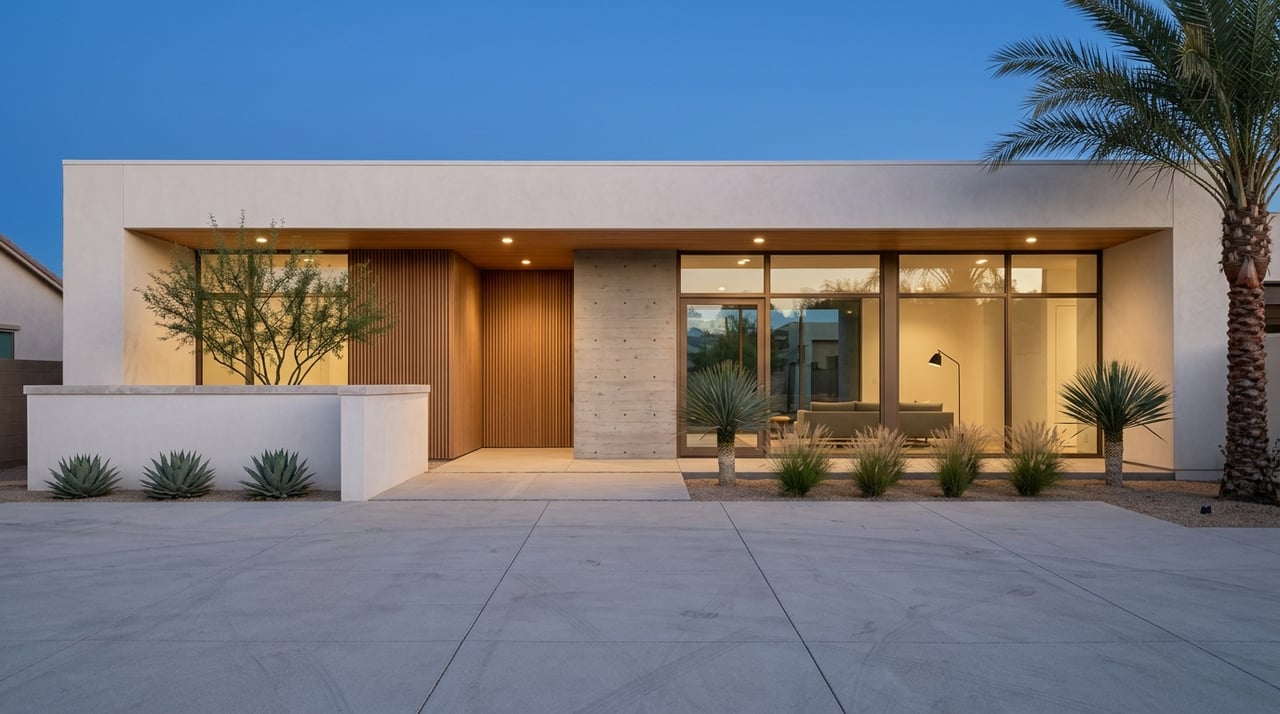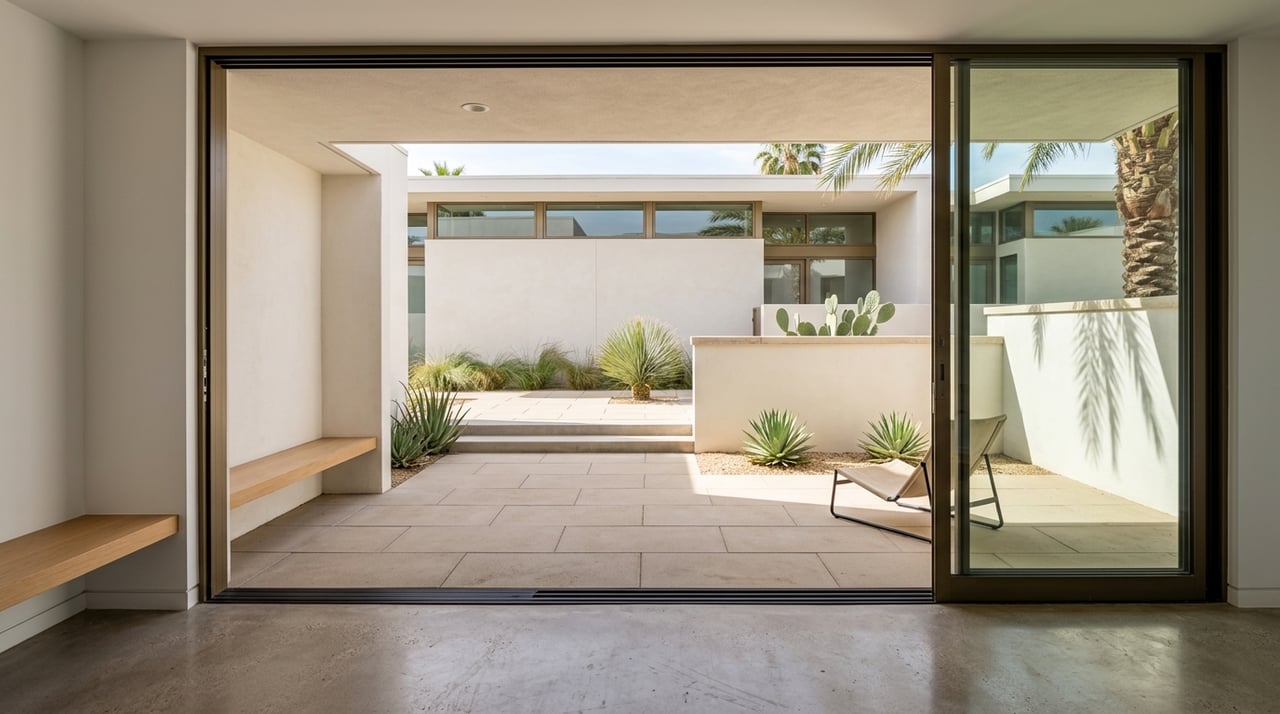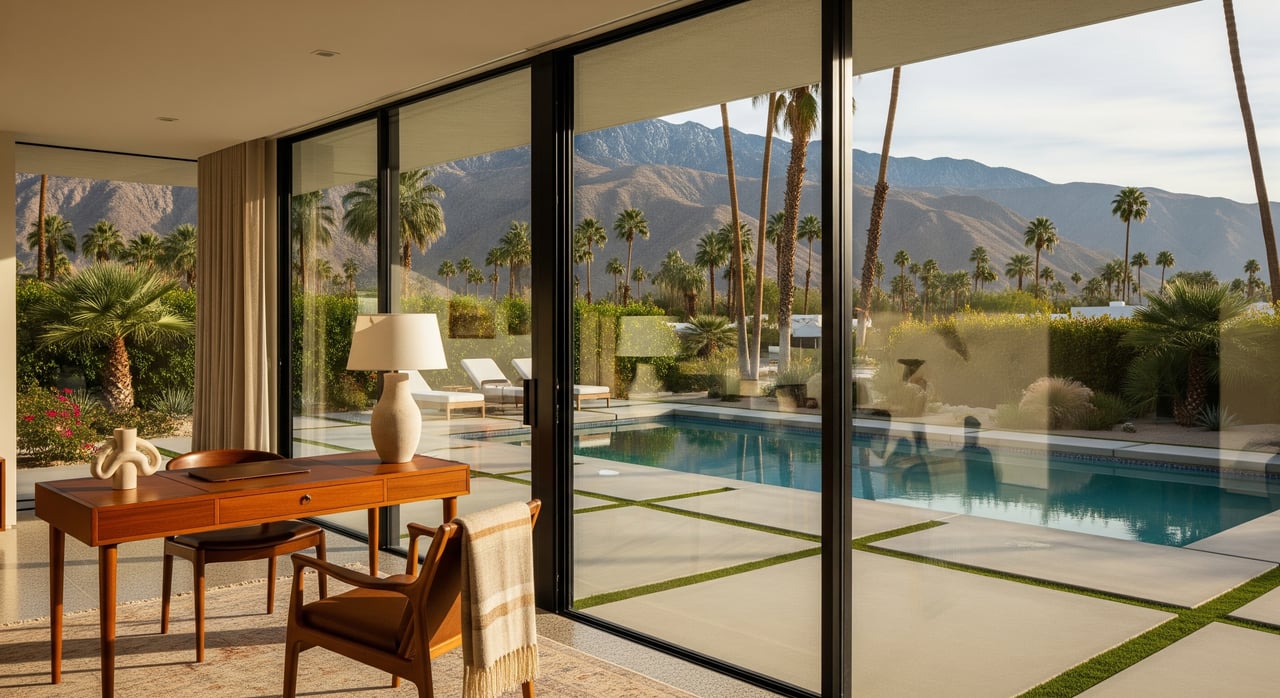
Thinking about a Palm Springs getaway you can enjoy from afar and rent a few weeks a year? You are not alone. Many out-of-area buyers love the desert lifestyle but need a plan that keeps ownership simple, compliant, and financially sound. In this guide, you will learn how to choose the right neighborhood, navigate short-term rental rules, evaluate HOAs and clubs, line up property management and insurance, and model true costs. Let’s dive in.
Why Palm Springs works for remote owners
Palm Springs is a mature resort market with iconic mid-century homes, golf clubs, and a strong winter season. Demand is highest in fall and winter, while summers are hot and lower use. That rhythm benefits owners who prefer personal use during peak weather and quiet months for maintenance. If you plan occasional rentals, high-season demand can help offset carrying costs with the right compliance.
Access is a major plus. Palm Springs International Airport offers convenient service that changes seasonally, so check schedules when planning travel. If you drive, I-10 connects you to greater Southern California. Proximity to medical facilities and emergency services also matters for part-time owners, especially if you plan extended stays.
Neighborhoods at a glance
Downtown and Uptown
If you want walkability to restaurants, galleries, and events, the downtown and uptown areas deliver. These locations often see strong rental demand due to proximity to attractions. Expect higher interest for renovated or architecturally notable homes and condos. Weigh the energy and convenience against potential noise and parking considerations.
Classic mid-century enclaves
Old Las Palmas, Vista Las Palmas, Movie Colony, Twin Palms, and Racquet Club Estates offer the quintessential Palm Springs look. Many properties have pools, larger lots, and architectural pedigree. These neighborhoods carry premium pricing and strong lifestyle appeal. If rentals are part of your plan, confirm HOA or city rules before counting on income.
Canyon settings
Indian Canyons, Tahquitz, and other canyon-adjacent areas provide scenic backdrops and privacy. Microclimates and desert landscaping may increase maintenance needs. These locations excel for owners who value quiet and views. They are ideal for personal retreats, with rental potential depending on community rules.
South and North Palm Springs
You will find more varied price points and a mix of original and remodeled homes. Pockets can be great value compared to marquee neighborhoods. Confirm whether a property is within an HOA and review restrictions if you are considering rentals. Balance privacy, budget, and distance to amenities.
Gated and golf communities
Resort and club communities offer amenities and structured governance that many remote owners appreciate. HOA dues are higher in luxury settings and rental rules are often tighter. Review club membership models and guest access for renters if income is part of your strategy. Strong management and security can simplify absentee ownership.
Short-term rental rules you must know
Palm Springs regulates short-term rentals. Requirements typically include registration or a business license, collection and remittance of Transient-Occupancy Tax, occupancy and parking limits, a local contact person, and adherence to noise and safety standards. Noncompliance can result in fines and even loss of rental permissions.
Neighboring Coachella Valley cities have different rules. Some allow STRs with registration, others have stricter limits or moratoria. If you plan occasional rentals, confirm how the city defines owner use and how many rental nights you can offer.
Before you write an offer, do this:
- Confirm the City of Palm Springs STR registration process and applicable municipal code sections.
- Verify the Transient-Occupancy Tax rate and who remits it for the address in question.
- Request the seller’s proof of compliance, including prior registrations, TOT records, and any violation notices.
- Consult a local real estate attorney and a CPA to structure rental usage and tax planning.
- Verify zoning for the parcel and make sure transient lodging is permitted.
HOA and club due diligence
HOAs govern rules that directly impact remote owners. Review monthly or annual dues, what they cover, and the community’s reserve study. Low reserves or deferred maintenance can lead to special assessments. For rentals, pay close attention to minimum stays, caps on rental days, and guest policies.
If a private club is involved, learn whether membership is mandatory or optional, the initiation and recurring fees, and how guest privileges work. Some HOAs or clubs require local contacts or add insurance requirements for owners who rent.
Request and review these documents early:
- CC&Rs, Bylaws, Rules and Regulations, and recent meeting minutes
- HOA financials and reserve study, plus any special assessment history
- Master insurance certificate to confirm what the HOA covers versus what you must insure
- Parking, noise, and nuisance rules, plus how complaints are enforced
Property management and maintenance
Management models and fees
If you plan long-term tenants, full-service managers typically charge about 8 to 12 percent of monthly rent, plus leasing fees. Vacation rental managers commonly charge 20 to 40 percent of gross booking revenue based on the level of service. You can also hire local vendors for à la carte needs like inspections, openings, and emergency response.
Services remote owners need
Look for a local 24/7 contact who can respond on-site. Expect routine inspections, guest turnover coordination, smart lock or key control, and vendor management for pool, HVAC, landscaping, and pest control. Clear financial reporting and support for tax forms and TOT are essential if you rent.
Recurring costs in the desert
Cooling is a major line item, so schedule regular HVAC servicing. Pool and spa care adds ongoing cleaning, chemicals, and equipment maintenance. Landscaping costs vary with design, from drought-tolerant xeriscapes to lush lawns and palms. Budget for seasonal turnovers, deep cleaning, linens, and restocking between guest stays.
Insurance essentials for second homes
Insure with the correct policy type and full disclosure. Standard homeowner policies differ for single-family homes and condos. Tell your insurer it is a second home and note any rental activity. Not disclosing short-term rentals or long vacancies can jeopardize coverage.
For rentals, consider higher liability limits, vacation-rental endorsements, or a commercial policy. Platform protections from booking sites are supplemental and may have gaps. Earthquake coverage is sold separately in California and flood coverage is required only in mapped zones, so verify your property’s status. Ask about vacancy clauses that can limit coverage after 30 to 60 days of non-occupancy.
Action steps:
- Disclose your occupancy schedule and expected rental nights to your insurer.
- Get written confirmation that rental activity is covered or add the right endorsement.
- Consider an umbrella policy for added liability protection.
- Name your property manager as a local contact for claims coordination.
Build a realistic financial model
A clear pro forma helps you avoid surprises. Model mortgage payments, property taxes, insurance, HOA or club dues, utilities, pool and landscape service, pest control, trash, management fees, cleaning and turnover costs, routine maintenance, and reserves for capital items like AC units and pool heaters. If you will rent, include platform fees and TOT remittance.
Revenue and use assumptions
Use conservative occupancy and average daily rates based on comparable listings in your target neighborhood. Factor seasonality, with stronger demand in fall and winter and spikes around major regional events. Be explicit about your owner-use months, since personal stays reduce revenue and can affect tax treatment.
Typical cost ranges
- Property management: 8 to 12 percent for long-term rentals; 20 to 40 percent of gross bookings for short-term management
- HOA dues: vary widely, and can be higher in luxury or gated communities
- Maintenance reserves: plan for 1 to 3 percent of property value annually for maintenance and capital items
- Insurance: second-home and vacation-rental endorsements increase premiums compared to primary residences
Smart buying checklist
- Confirm city STR rules and zoning for the exact parcel.
- Verify TOT obligations and whether platforms collect or you remit.
- Order the full HOA resale packet and review rental clauses and reserves.
- Request seller records for rental history, TOT, and any code or noise complaints.
- Get quotes from local managers and at least three vendors for pool, HVAC, and landscaping.
- Review insurance options, vacancy clauses, earthquake and flood considerations.
- Inspect systems prone to desert wear, including AC, pool equipment, roof, irrigation, and termites.
- Plan access logistics, including smart locks, a secure key system, and a named local contact who can attend HOA meetings.
How we help remote buyers
You want a seamless, senior-led process with eyes on the details. As a boutique team focused on the Coachella Valley’s luxury and club communities, we help you compare neighborhoods, decode HOA and club rules, and structure offers that fit your lifestyle and rental goals. We coordinate inspections, vendor quotes, and compliance checks so you can make clear decisions from wherever you are.
From private showings to final key handoff, you receive concierge-level communication and transaction management tailored to remote ownership. If you value discretion, measured advice, and smooth execution, connect with the Mark Wise Group to start your Palm Springs second-home plan.
FAQs
What should remote buyers know about Palm Springs seasonality?
- Expect peak demand and more listings in fall and winter, with hotter, lower-use summers. Plan personal use and maintenance around that cycle.
How do Palm Springs short-term rental rules affect occasional rentals?
- Palm Springs requires registration, TOT, and compliance with occupancy, parking, noise, and safety standards. Noncompliance can trigger fines and loss of permissions.
Do HOA rules limit my ability to rent my home?
- Many HOAs set minimum stays, cap rental frequency, and require guest approvals. Always review CC&Rs, Rules and Regulations, and meeting minutes before you rely on rental income.
What property management services matter most for absentee owners?
- A 24/7 local contact, routine inspections, vendor coordination, secure key or smart lock systems, clear reporting, and support for TOT if you rent are essential.
Will a standard homeowner policy cover short-term rentals?
- Often not without changes. Disclose rental use and add a vacation-rental endorsement or a suitable policy. Consider higher liability limits and confirm vacancy clauses.
What should I include in my second-home budget?
- Mortgage, taxes, insurance, HOA or club dues, utilities, pool and landscape, pest control, property management, cleanings, maintenance, capital reserves, and taxes on rental activity.