Did you just inherit a home in Indian Wells and feel unsure where to start? You want to honor the estate, protect value, and move forward without unnecessary delays. In this guide, you’ll learn how trust and probate sales differ, what documents title and escrow will need, key tax points like step-up basis and Prop 19, and a realistic timeline for selling in Indian Wells. Let’s dive in.
Trust sale vs probate sale
If the home is titled to a revocable living trust, a properly empowered successor trustee can sell the property without opening probate. Title companies commonly accept a Certification of Trust that meets California Probate Code standards to confirm authority and protect third parties. You can review the Certification of Trust framework in Probate Code section 18100.5.
If the home is still in the decedent’s individual name, it typically becomes part of the probate estate. Probate is a court-supervised process where a personal representative is appointed, assets are inventoried, creditors are notified, and title is transferred under court oversight. For a practical overview of how probate works and timelines, see the Superior Court’s guide to about probate and how it moves property.
California also recognizes a revocable Transfer-On-Death deed for certain residential property. When properly executed and recorded, a TOD deed can transfer the property outside probate at death. You can read the statutory background in the legislative history for AB 139.
Who can sell and what title needs
The person with legal authority signs the listing and sale documents. That is usually a successor trustee with proof of authority or a court-appointed personal representative with Letters Testamentary or Letters of Administration. Title and escrow will require documentary proof, such as a certified death certificate and a Certification of Trust or court letters, before closing. The Certification of Trust format and third-party protections are outlined in Probate Code section 18100.5.
If probate is needed, you will work through the Riverside County Superior Court for local forms and steps. The court’s self-help page covers estates, wills, and trusts basics to help you understand filings and timing.
Taxes and property tax basics in California
Federal estate taxes are separate from income taxes, and California does not have a state-level estate tax. The IRS publishes current federal thresholds and filing guidance for estates; review the latest details in the IRS estate tax FAQ.
A key concept for inherited homes is basis at death. Under Internal Revenue Code section 1014, property inherited from a decedent generally receives a step-up, or step-down, in basis to fair market value at the date of death. This often reduces or eliminates capital gains if you sell soon after inheriting. For the statute text, see IRC section 1014, and consult your CPA for personalized advice.
On property taxes, Proposition 19 narrowed parent-child exclusions. A transfer from parent to child typically triggers reassessment to current market value unless the child will occupy it as a principal residence and meets filing and timing rules. Learn more on the State Board of Equalization’s Prop 19 information page.
Finally, California may require real estate withholding in specific trust or estate situations, especially for nonresidents. Escrow will collect exemptions or withhold a percentage and remit to the state if needed. You can see the common forms and instructions in Form 593 guidance.
Indian Wells sale timeline
Indian Wells is a small, high-value market, so time-to-offer can vary with season, price, and property type. Here is a realistic sequence and timing for most estate and trust sales.
- Immediate securing and intake: 1 to 7 days
- Establish legal authority: days to weeks, depending on trustee documents or court letters
- Valuation and decision: 1 to 4 weeks for a CMA and at least one appraisal
- Market prep: 2 to 6 weeks for repairs, cleaning, HOA items, and professional staging/photography
- Listing and marketing: 2 to 12-plus weeks based on price, season, and strategy
- Escrow and closing: 30 to 45 days once in contract
Summary timing expectations:
| Scenario | Duration |
|---|---|
| Trustee sale with clear documents | Weeks to a few months |
| Probate sale with court supervision | 6 to 18 months |
Courts manage probate calendars, and complex estates can take longer. For a plain-language overview of probate steps and timeframes, review this Superior Court guide.
Documents and team checklist
Gather these items early. Title and escrow will request them during intake and again before closing.
- Certified death certificates
- Trust, any amendments, and a Certification of Trust in the Probate Code 18100.5 format commonly accepted by title
- Will and any codicils
- Recorded deed, latest property tax bill, mortgage and insurance statements
- HOA statements, CC&Rs, estoppel or resale packet, and any lease or management agreements
- If probate is required: Petition for Probate and issued Letters from the Riverside County Superior Court’s self-help resource
Build a professional team early:
- Local probate attorney for county filings and any court confirmations
- CPA or tax advisor for estate filings, basis questions, and withholding
- Senior-experienced listing agent focused on Coachella Valley estates and luxury marketing
- Local escrow and title for documentation, payoffs, and withholding procedures
- Licensed appraiser familiar with Indian Wells and Coachella Valley micro-markets
- Property manager, contractor, and stager for remote oversight and value-focused prep
Costs and protecting value
Plan for two broad categories: administration costs and selling costs. In probate, California sets statutory ordinary compensation for the personal representative and the representative’s attorney, with courts able to allow additional extraordinary fees when warranted. You can read the fee schedule framework in Probate Code section 10800.
Selling costs typically include agent commission, escrow and title fees, targeted repairs, cleaning and staging, HOA packets or transfer fees, and possible California withholding. Property tax reassessment under Prop 19 can affect carry costs for heirs who keep the property but do not qualify for the exclusion.
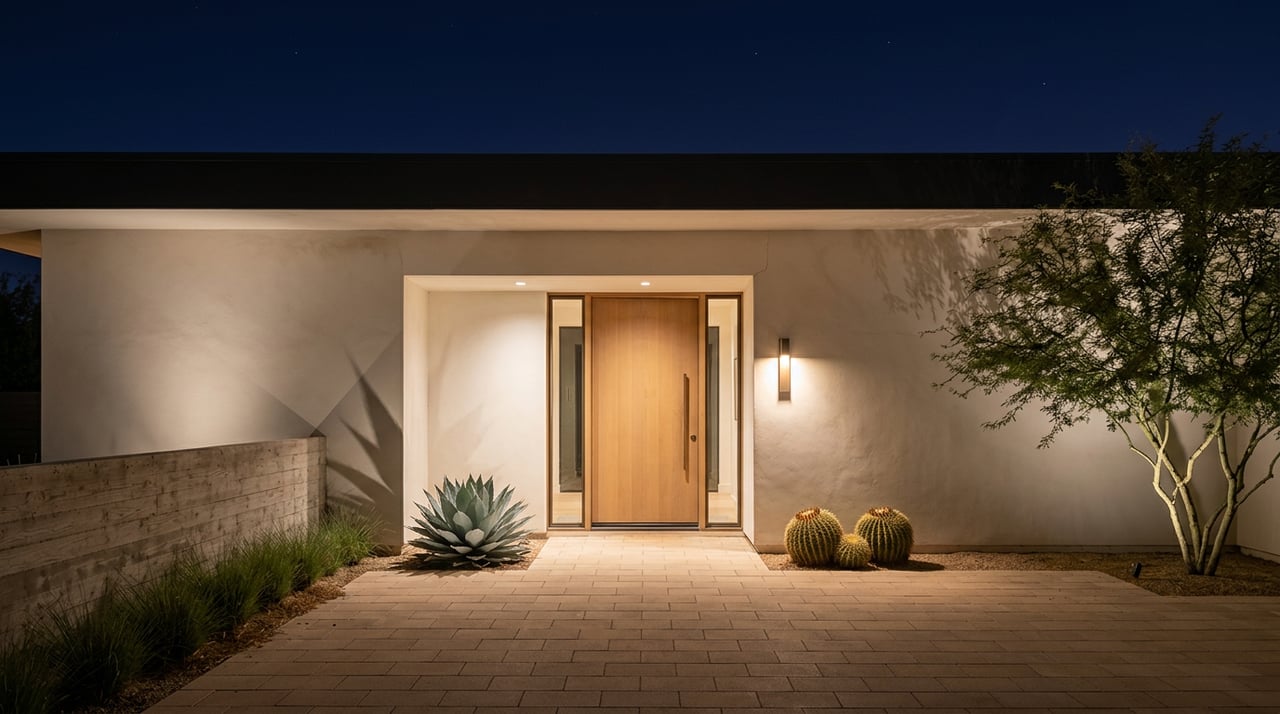
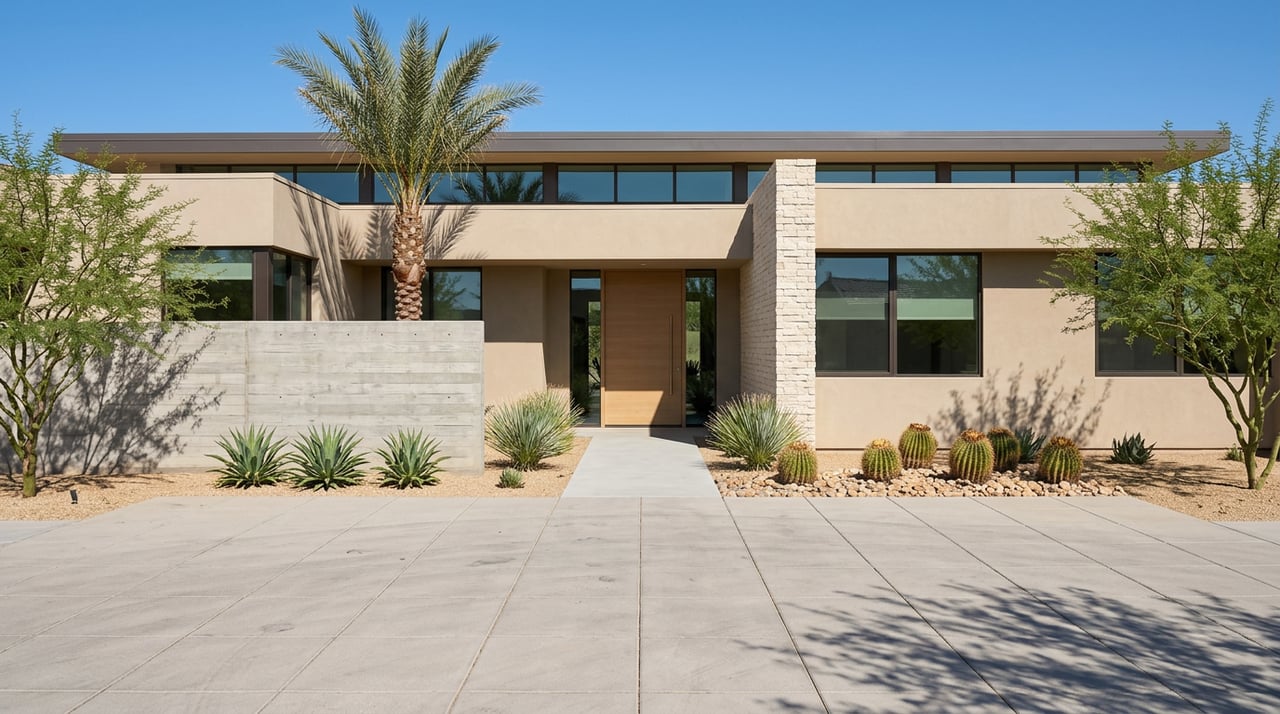
To protect value in a luxury micro-market, invest in high-impact basics. Focus on curb appeal, fresh paint where needed, deep cleaning, landscaping tune-ups, and neutral staging that highlights indoor-outdoor living. In Indian Wells, well-executed photography, broker outreach, and precise pricing can make a meaningful difference.
Local Indian Wells factors
Many Indian Wells homes sit in gated or country-club communities, so plan for HOA estoppel fees, disclosure packages, and community transfer steps. Buyer activity can be seasonal, with stronger showings when visitors are in town for peak desert months and events. Targeted marketing and private showings help connect with out-of-area buyers who often research remotely and act on trusted local guidance.
How we help remote heirs and trustees
You should not have to manage a complex sale from a distance. As a senior-led team serving Indian Wells and the greater Coachella Valley, we coordinate valuation, vendor bids, repair and staging oversight, HOA packets, and weekly status updates. We present your home with high-end marketing through Bennion Deville Homes’ LUXE program and manage escrow details so documents, letters, and certifications flow smoothly. If you are navigating trust or probate questions, we can align with your attorney and CPA to keep the process efficient and transparent.
Ready to discuss timelines, value, and next steps for your Indian Wells property? Request a Private Consultation with the Mark Wise Group.
FAQs
How long before I can sell an inherited Indian Wells home?
- If the home is in a trust and you have clear trustee documents, timelines are often weeks to a few months. If probate is required, plan for roughly 6 to 18 months under court supervision, depending on complexity and calendars. See this court overview of probate steps.
Will my inherited property be reassessed for property tax under Prop 19?
- Usually yes unless a qualifying child makes it a principal residence and meets filing and timing rules. Details and forms are on the State Board of Equalization’s Prop 19 page.
Who has authority to sell, and what will title require?
- A successor trustee with an acceptable Certification of Trust, or a personal representative with Letters from the court, can sign. Title typically requests the death certificate, recorded deed, and trustee certification or court letters as described in Probate Code 18100.5.
Do heirs pay capital gains when selling an inherited home?
- Inherited property generally receives a basis step-up to fair market value at death under IRC section 1014. If you sell near that value, there may be little or no capital gain. Confirm specifics with your CPA.
What if the decedent recorded a Transfer-On-Death deed?
- A properly executed and recorded TOD deed can transfer certain residential property outside probate. Review the statute background in the AB 139 legislative history and confirm with your title officer and attorney.
Will escrow withhold California taxes at closing on an estate or trust sale?
- It depends on residency and entity details. Escrow will request certifications and may withhold and remit a percentage if required. See common procedures in the state’s Form 593 guidance.